We can spend much of the day scarcely noticing that we are breathing. Then something brings it to our attention: an effort, a moment of apprehension, the pause before we speak.
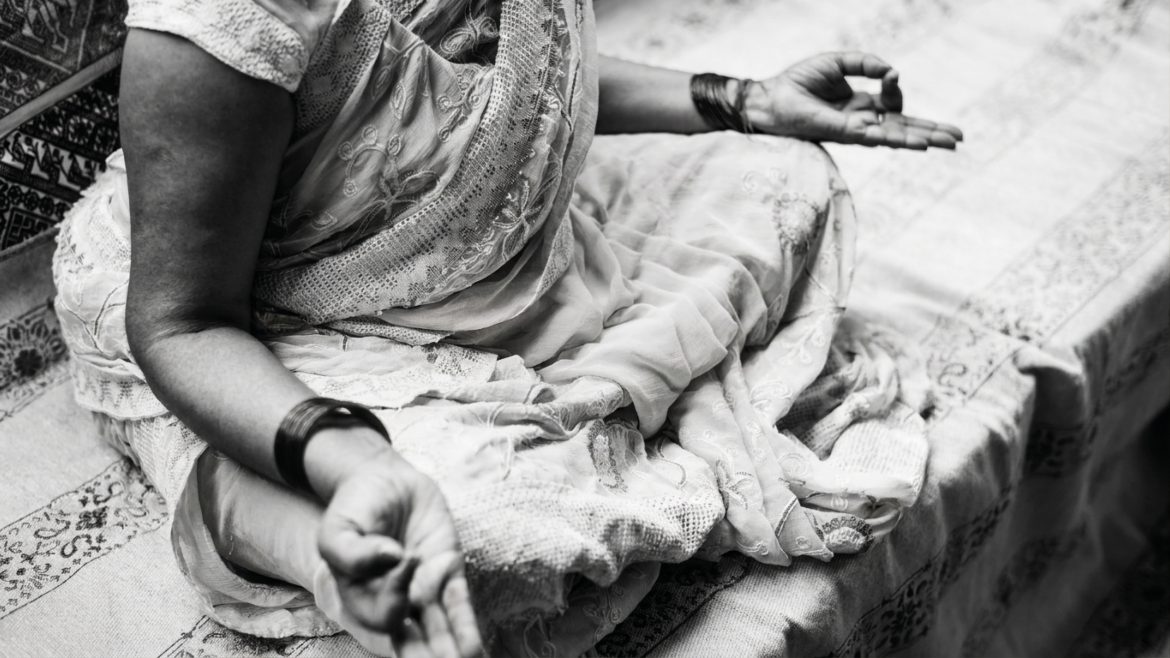
In “La respiración y lo divino”, published in Spanish in El Hombre y lo Divino, I explore the breath through meditation and spiritual traditions that have understood it as an expression of life and spirit. What interests me is how something so familiar can still invite such close attention.
This question also belongs in a room where people have gathered to practise mindfulness. We arrive with different expectations. Someone may be curious about meditation; someone else may simply want to make time for themselves. There is no reason to assume that everyone will experience the practice in the same way.
In our ten-week Mindful Regeneration programme, I offer guided practice alongside opportunities to reflect and share. The sessions take place in English, online and in person in Málaga, with materials available for further exploration between meetings.
Having time together matters. It gives us an opportunity to ask questions, describe difficulties and hear how others are finding the practice. Sometimes an honest conversation about a distracted afternoon is more useful than an account of how meditation ought to feel.
At Feel Good Regenerative Fridays, mindfulness takes its place alongside gardening, sensory experiences and creative writing. We meet outdoors in Alhaurín de la Torre, sharing the morning in English and Spanish. You do not need previous experience to take part.
I want these spaces to accommodate curiosity and uncertainty. We can try a practice, notice our response and speak about it without needing to turn the experience into an achievement.
The article below follows the more contemplative side of this enquiry. If you would like to explore the practice together, you will also find links to our current gatherings.
Read and explore