Erasmus+  Courses KA1 •  Online Training •   Invited Expert •  KA2

Categoría: Uncategorized

  • Teacher training in well-being and mindfulness (Malaga)

    Teacher training in well-being and mindfulness (Malaga)

    Teacher training in well-being and mindfulness: a regenerative experience in Malaga with teachers from Wales

    A Week to Regenerate Education Through Well-being

    Mindfulness and Teacher Well-being Training in Málaga

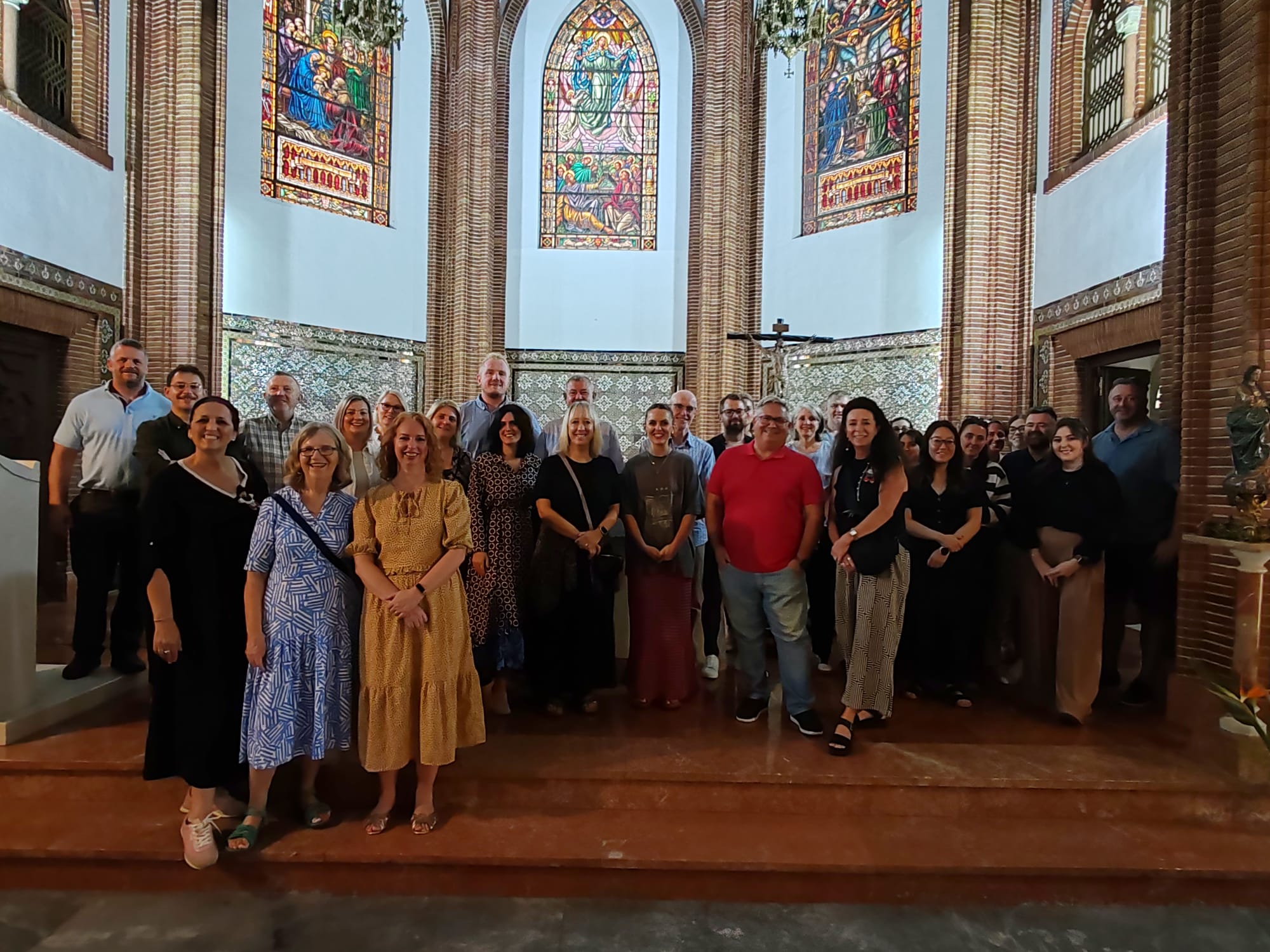
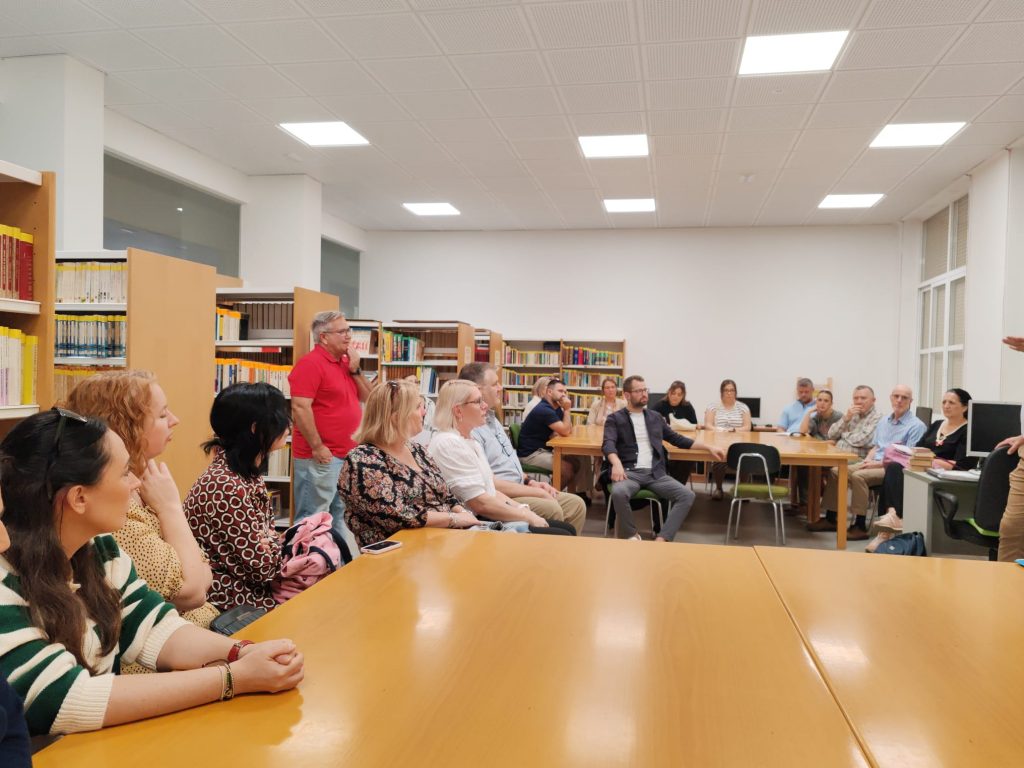
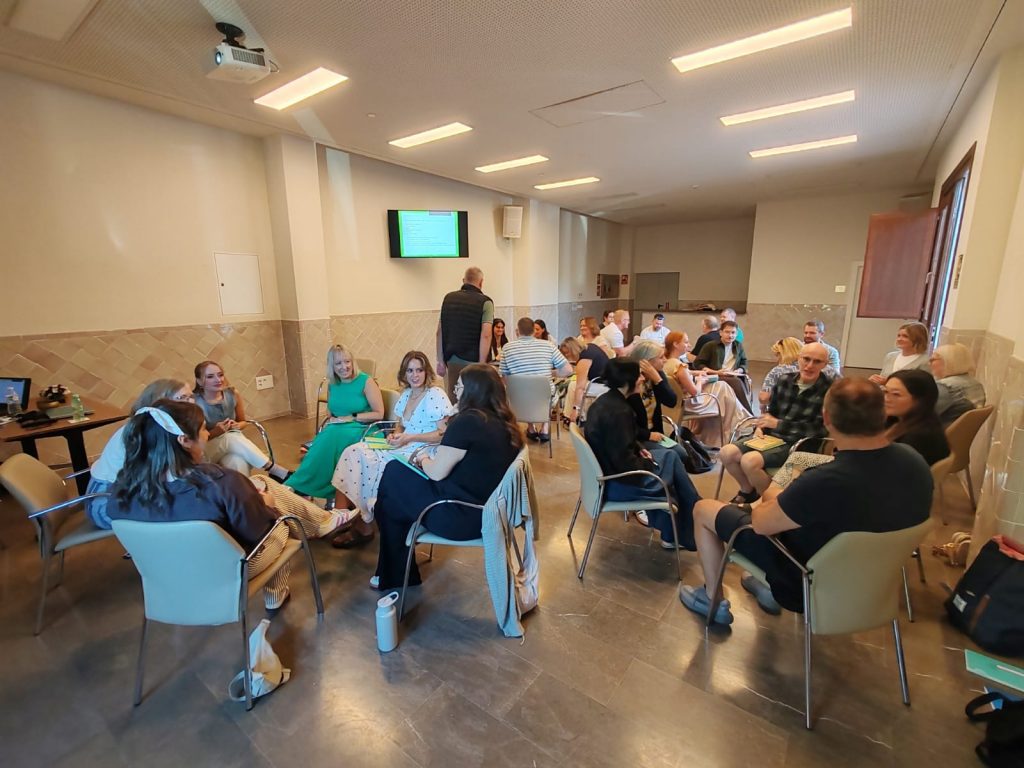
    During the week of December 2-5, Málaga hosted an international teacher training experience focused on well-being, mindfulness, and regenerative education. A group of 21 teachers from Wales participated in an intensive program that combined professional development, personal reflection, and connection to real-world educational practice.

    The training was offered by Accipe and funded by Taith, in collaboration with ILG and Cardiff City Council, and was facilitated by Lawrence Body, founder of Laurus Regenerative. The approach integrated mindfulness in education, emotional intelligence, and teacher well-being, combining theory and practice from an experiential perspective.

    Learning from Experience: Mindfulness Applied to Educational Practice

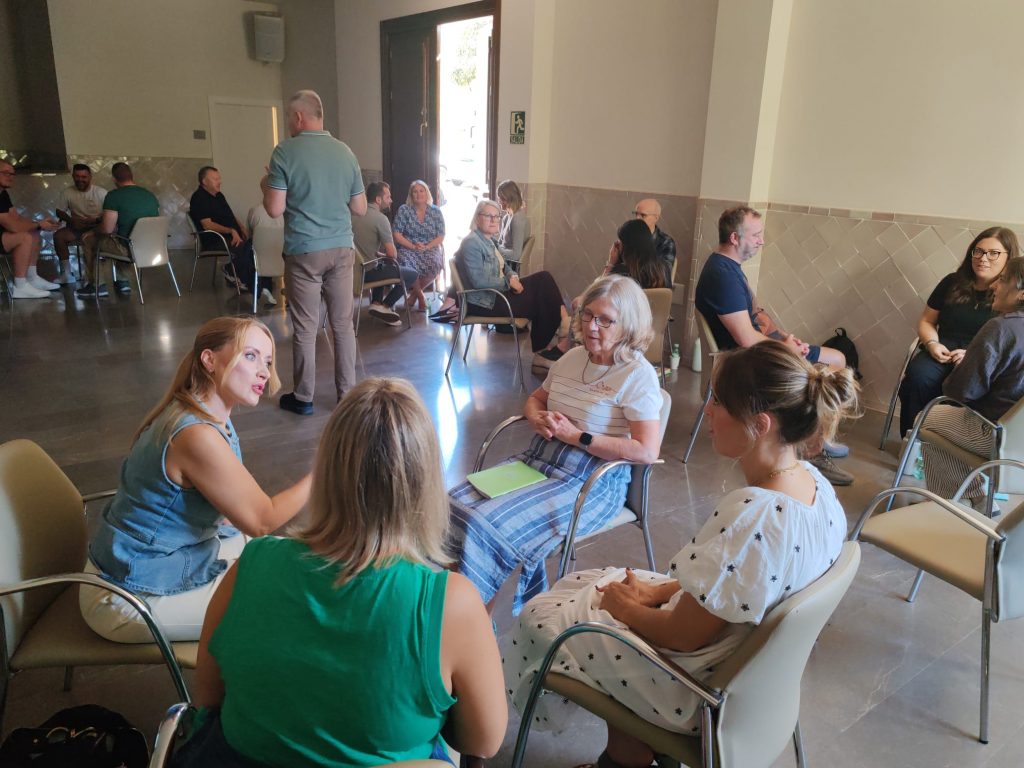
    One of the central elements of the program was experiential learning. Beyond the theoretical content, the training invited participants to examine their own experiences as teachers, reflect on their well-being, and explore how this directly influences the classroom climate and learning processes.

    Through mindfulness practices, group activities, and spaces for conscious dialogue, a safe environment was created for sharing real-life challenges encountered in daily teaching. This approach allowed for a connection between personal well-being and the quality of education and student support.

    The educational center as a space for well-being and transformation

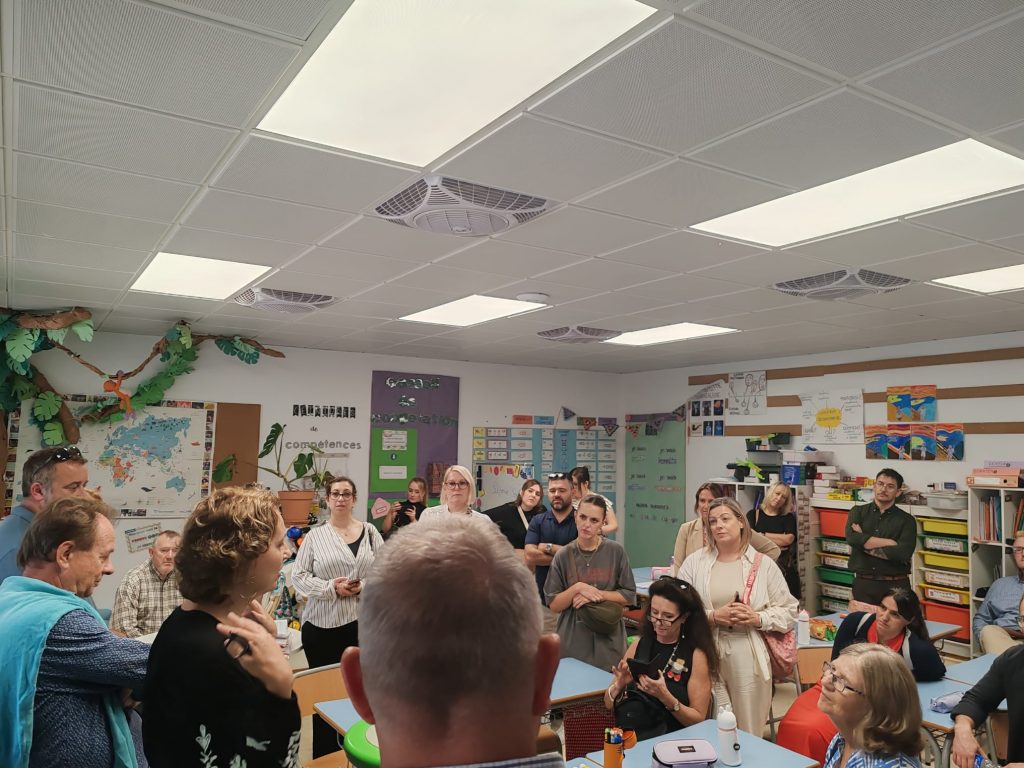
    As part of the program, a visit was made to the San José de Calasanz Primary School in Málaga, where participants spent time with the principal, Carmen Ortiz, the teaching staff, and the students. This experience allowed them to observe how integrating well-being into school life has a profound impact on coexistence, motivation, and learning.

    Beyond academic results, it was possible to see how an education that cares for people creates more humane, coherent, and sustainable school environments.

    Well-being and Regenerative Education at the University

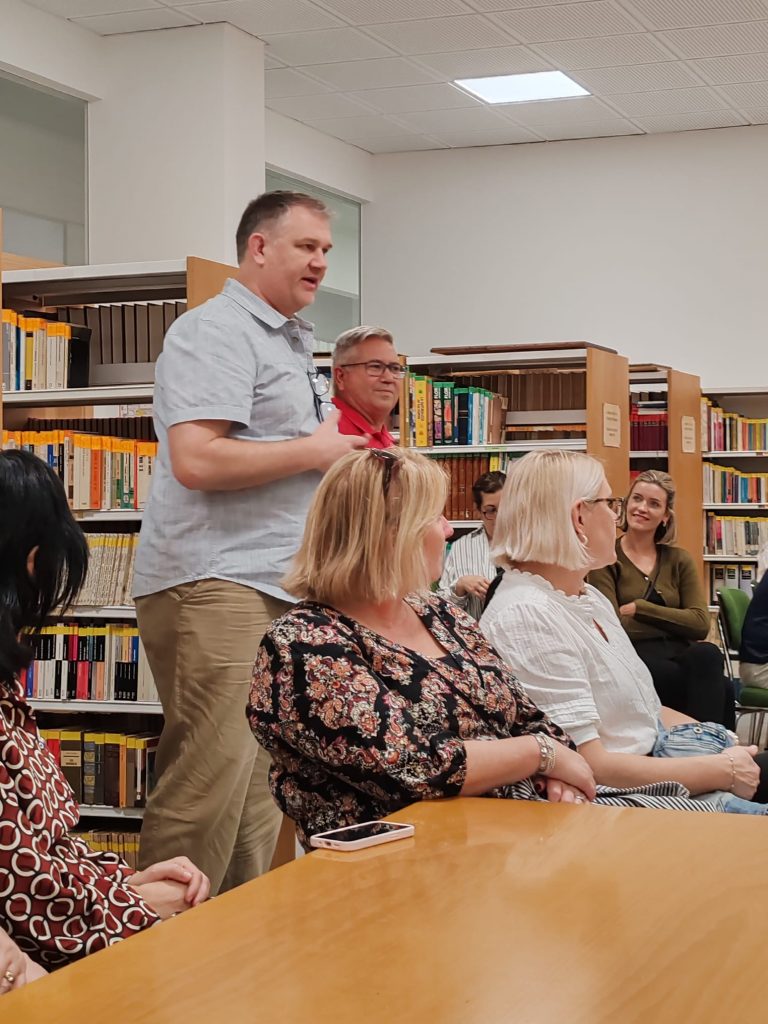
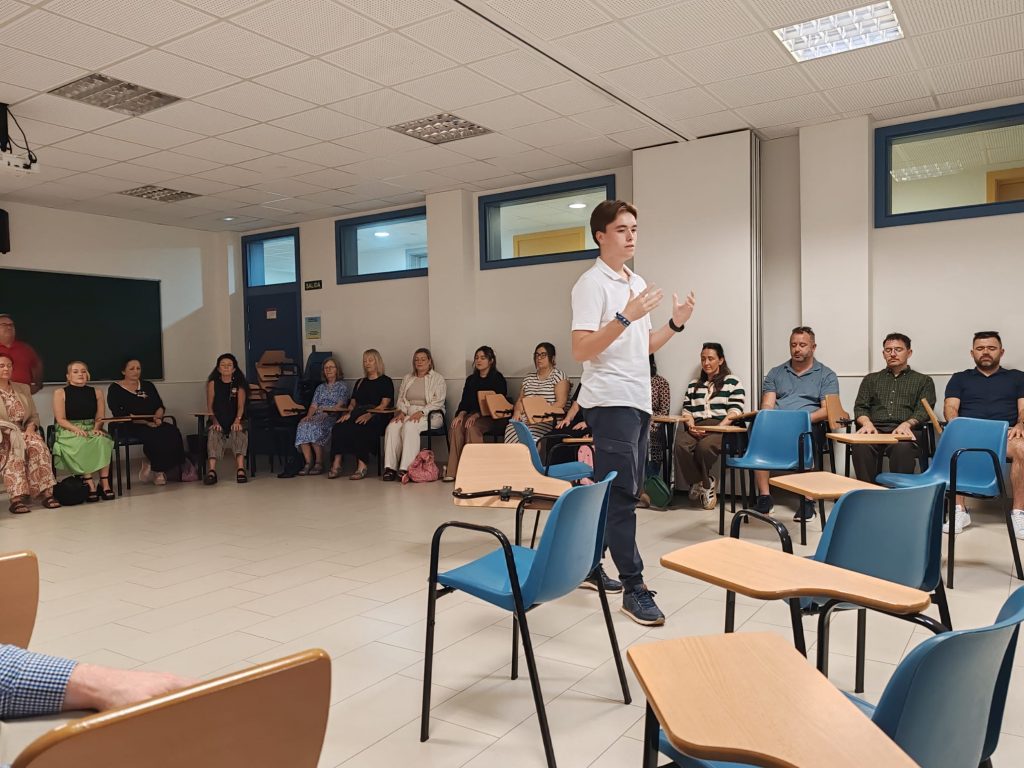
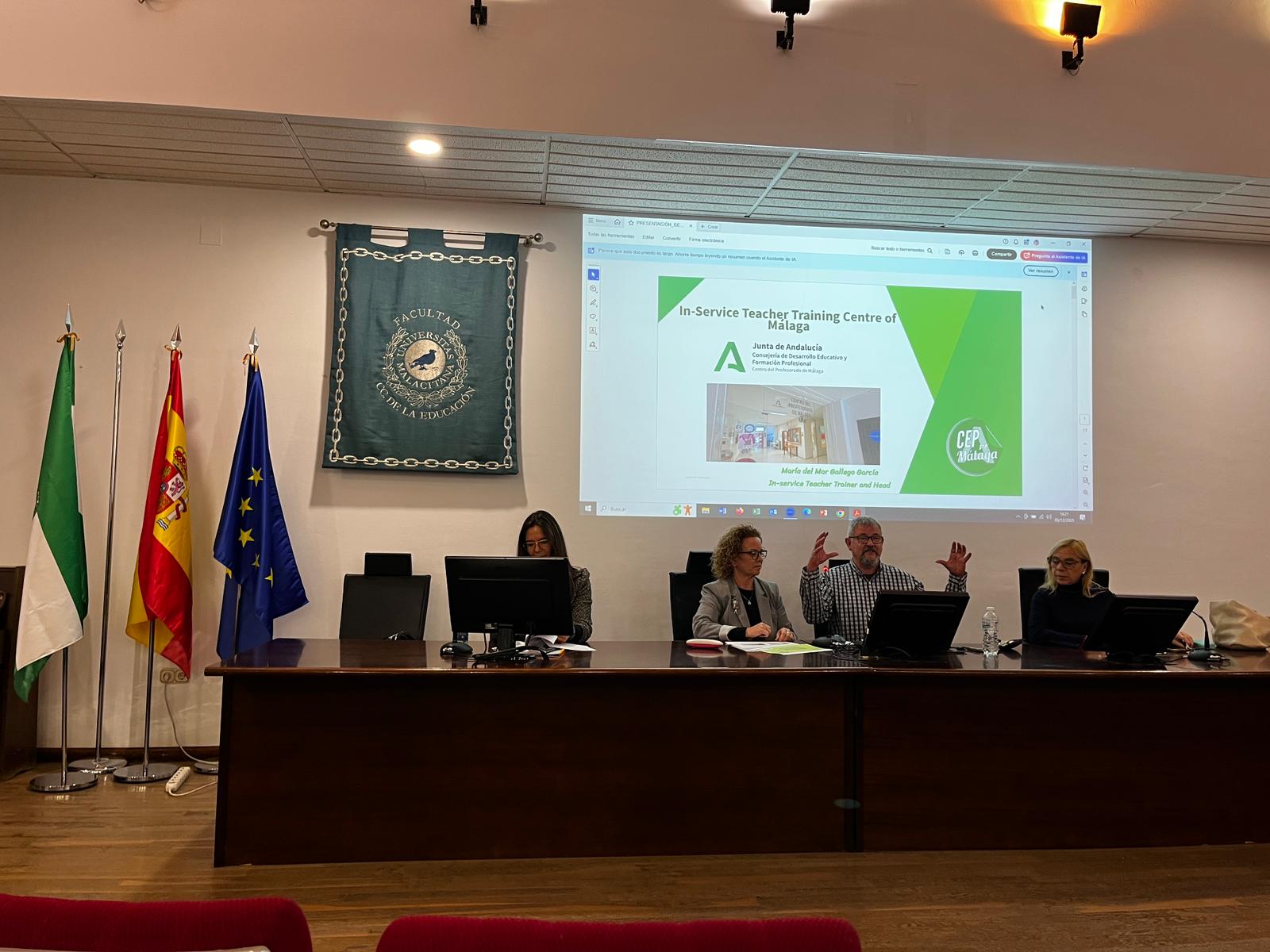
    The training week included a conference at the Faculty of Education Sciences of the University of Málaga, hosted by Amparo Civila, Vice Dean of Mobility and International Relations. This meeting brought together professionals from different educational contexts and fostered the exchange of experiences at an international level.

    The speakers included María del Mar Gallego, Director of the Málaga Teacher Training Center (CEP); Gemma Muñoz, from the Daidín Primary School in Benahavís; and Kate Martin, Head of the Well-being Curriculum for Cardiff City Council. Rocío González, Professor of Education at the University of Málaga; and Lawrence Body, who shared Laurus Regenerative’s perspective on well-being, regeneration, and mindful education.

    The presentations offered practical examples of how to integrate well-being into real educational contexts, respecting the rhythms, needs, and realities of both teachers and students.

    Regenerative Education: Caring to Transform

    This teacher training experience in well-being highlighted that educational transformation begins in the everyday. In the way we relate to one another, in how we care for those who teach, and in creating spaces where it is possible to pause, breathe, and reconnect with the purpose of educating.

    At Laurus Regenerative, we believe that supporting teachers in this process is a direct path to creating a more mindful, inclusive education that is aligned with current challenges. An education that not only transmits knowledge but also cares, inspires, and regenerates.

    If this approach resonates with you or your school, we would be delighted to continue sharing and building future learning experiences together.

  • Regenerative leadership training for schools in Wales

    Regenerative leadership training for schools in Wales

    Regenerative leadership training for schools in Wales | Regenerative leadership training for schools in Wales

     ________________________

    The week of 11–14 November in Málaga was an exceptional professional learning experience for 29 headteachers and members of senior leadership teams from Wales, thanks to a training programme delivered by Accipe and funded by Taith, in collaboration with ILG and Cardiff City Council. Under the expert guidance of Lawrence Body from Laurus Regenerative SRL, participants deepened their understanding of the latest mindfulness and wellbeing methodologies, both in theory and practice, engaging in a dynamic professional development experience.

    The school visits and the activities described above took place within this training framework. Speaking with Headteacher Cecilia Manrique and teacher Eduardo Blesa from Colegio de La Asunción, and observing pupils share their personal growth through mindfulness practices, lead medit

    ations, and speak with remarkable maturity about benefits that go beyond the academic, was truly inspiring.

    Following the warm welcome from the headteacher and the ongoing support throughout the visit from Mickael and English teacher Rory, the visit to the Lycée Français offered another valuable learning dimension: teachers explored innovative classroom spaces, learned how translanguaging naturally occurs in the playground, and received insights from teacher Ana on how flexible classroom models inspired by Canada can be used to adapt to students’ needs and foster collaboration and empathy.

    The week also included presentations from guest experts, including Rosa Arcos de Torres, Director of the CEP of Marbella, and teacher and Head of Studies Gemma Muñoz from CEIP Daidín, who offered practical perspectives on how to integrate mindfulness, emotional intelligence, and wellbeing into real school contexts, making the experience motivating and relevant for every participating teacher.

  • Laurus in Mersin, Turkey: Our First Experience as Invited Experts in an Erasmus+ Program

    Laurus in Mersin, Turkey: Our First Experience as Invited Experts in an Erasmus+ Program

    Laurus in Mersin, Turkey: Our First Experience as Invited Experts in an Erasmus+ Program

    From September 29th to October 3rd, we had the wonderful opportunity to travel to Mersin, a vibrant city on the Mediterranean coast of eastern Turkey, as invited experts through the Erasmus+ Invited Expert Program.

    For this visit, we designed a tailor-made course to meet the specific needs of local educators titled:
    “Building Psychological Resilience and Wellbeing through Mindfulness for Educators.”

    The course attracted great interest, and in the end, 20 secondary school teachers were selected to participate. Over the course of five immersive days, we explored how mindfulness and social-emotional learning (SEL) can be integrated into educational contexts, not only to enhance student engagement but also to nurture teachers’ own wellbeing.

    We all know that teaching can be a deeply rewarding yet stressful profession. Until we collectively develop the wisdom and compassion to regenerate how we teach and learn, mindfulness offers practical tools to cope with daily challenges, find balance, and bring more joy, creativity, and motivation into our classrooms.

    Cultivating Compassion, Empathy, and Kindness

    A central theme of our work together was compassion; both for ourselves and others. Building compassion begins with empathy, which is essential for collaboration and effective communication in any classroom. We also explored the transformative power of gratitude and kindness, qualities that open the heart and strengthen our communities.

    Speaking of kindness, I am deeply grateful for everything I received from the people in Mersin both professionally and personally. The Erasmus team and all participating teachers showed incredible warmth and generosity. I would wholeheartedly recommend them as partners for future Erasmus+ projects.

    Cultural Exchange and Shared Learning

    Beyond the classroom, I had the chance to discover so much about Turkish culture, food, history, and the education system; all of which I enjoyed immensely. This spirit of sharing and caring is at the heart of the Erasmus experience.

    We look forward to continuing this collaboration. Our next joint project will hopefully take place in Tarragona, Spain, this coming spring, a Social Emotional Learning (SEL) project connecting schools in Spain, Turkey, and Italy.

    If you’re interested in joining one of our future Erasmus+ KA1 training courses in Málaga, Spain, or Ireland, or would like to collaborate on KA2 projects, we’d be delighted to connect with you.

    Reflections and Gratitude

    Our final activity in Mersin was a short mindfulness meditation, followed by a creative writing exercise: each participant wrote a poem about an everyday object, expressing gratitude and appreciation for it. This simple yet profound exercise reminded us that beauty can be found in the smallest moments and ordinary things — a cup of tea, a pencil, a gentle word.

    To sum up, our experience in Mersin was truly enriching. Working with such kind and committed educators reinforced our belief that we can make a difference, one mindful moment at a time.

    With an open heart, a beginner’s mind, and the courage to step outside our comfort zones, we can be the change we wish to see in our schools.
    From that place of presence and creativity, new possibilities emerge, and so does hope.

    Thank you, Mersin, for your generosity, curiosity, and kindness. We will be back soon!

  • Septiembre de Intenciones: Lanzamos nuestro Boletín y Celebramos el World Wellness Weekend

    Septiembre de Intenciones: Lanzamos nuestro Boletín y Celebramos el World Wellness Weekend

    Septiembre de Intenciones: Lanzamos nuestro Boletín y Celebramos el World Wellness Weekend

    Este mes celebramos el lanzamiento de nuestro primer boletín y una serie de eventos gratuitos que coinciden con el World Wellness Weekend (WWW) del 19 al 21 de septiembre.

    Septiembre es un mes ideal para marcar nuevos comienzos e intenciones. Dos fechas destacan de forma especial:

    • 9 de septiembre
    • El Equinoccio de Otoño (alrededor del 22 de septiembre)

    Nuestros eventos comunitarios tendrán lugar los días 19, 20 y 21 de septiembre — [inscríbete aquí] para acompañarnos.

    El Significado del 9 de Septiembre

    El 9 de septiembre es también el día de San Ciarán. En la isla de Inishmore (Islas Aran, frente a la costa oeste de Galway) se celebran sus ritos. Este lugar es muy especial para mí, pues allí se gestó, en cierto modo, este proyecto y también en una manera,  mi hijo Keiran (versión del nombre en inglés). Regreso siempre que puedo y en 2026 volveré con un grupo de docentes en el marco de las movilidades de formación ERASMUS+ KA1. ¿Te animas a venir?

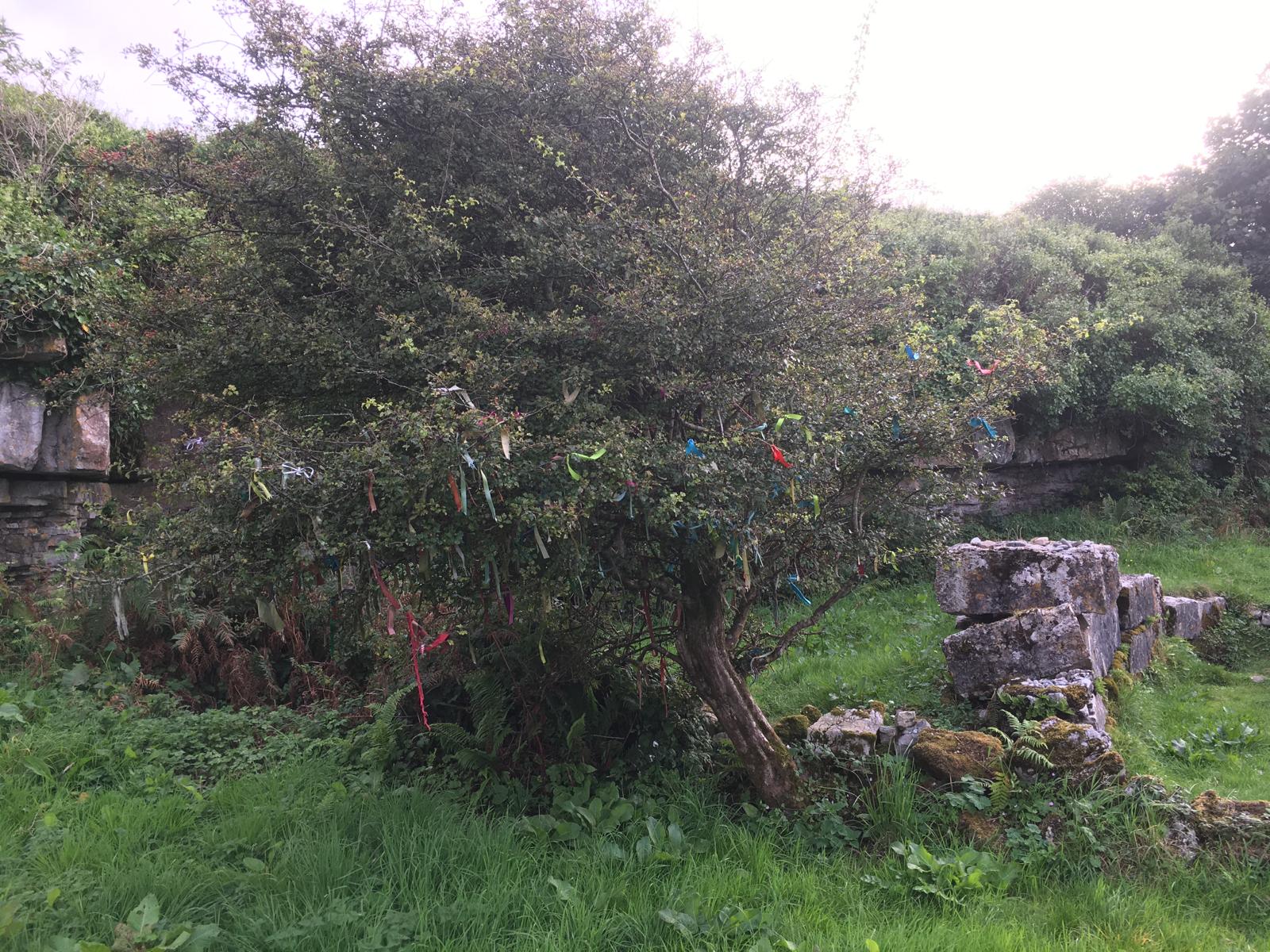
    Tras las ruinas de Teampall Ciaránhayun dolmen y un pozo sagrado custodiado por un espino blanco. En la tradición celta, se realizan vueltas alrededor del pozo en sentido horario, colocando una piedra por cada ronda, como símbolo de intención o plegaria. Pueden ser 3, 5, 7 o 9 vueltas:

    • 3: el plano universal (nuestro logotipo)
    • 5: los elementos y la regeneración (nuestros valores)
    • 7: los chakras o planetas (nuestros cursos)
    • 9: la máxima expresión de nuestro propósito en esta vida (3×3)

    Un ejemplo de intención: “Que encuentre paz. Que genere paz.”

    Para nosotros, la regeneración significa hacer más bien, devolver algo a los demás, a nuestras comunidades y a nuestro planeta, sin olvidar el autocuidado y la autocompasión.

    Los 5 Pilares del Bienestar

    Según el World Wellness Weekend, existen cinco pilares del bienestar, cada uno con su reflejo:

    1. Sueño & Creatividad: del descanso nacen los sueños y la inspiración.
    2. Mindfulness & Serenidad: una mente presente y clara que florece en sabiduría y compasión.
    3. Movimiento & Vitalidad: el cuerpo vivo en acción, en conexión con la tierra.
    4. Nutrición & Inmunidad: alimentos locales, orgánicos y de temporada que nutren cuerpo y alma.
    5. Propósito & Solidaridad: la fuerza que nos impulsa a trabajar juntos por un mundo más sabio y compasivo.

    Nuestro propósito es Regeneración. 🌍 ¿Cuál es el tuyo?
    👉 ¿Quieres ser parte de la ReGeneración?

  • World Wellness Weekend 2025 con Laurus Regenerative en el Impact Hub de Málaga

    World Wellness Weekend 2025 con Laurus Regenerative en el Impact Hub de Málaga

  • The importance of creating a conscious space

    The importance of creating a conscious space

     The Importance of Creating a Mindful Space

    In June 2025, we were fortunate to host a group of Welsh school teachers here in Málaga, in collaboration with our partners ACCIPE: https://accipe.org/  and the Welsh mobility programme TAITH (similar to Erasmus+).

    Málaga is a city that naturally invites mindful reflection. It delights the senses and fosters a sense of well-being, making it an ideal setting for our work together. The teachers stayed at El Seminario (La Casa Diocesana), a beautiful historic building that now hosts training groups focused on spirituality, therapy, or social development. It’s a space perfectly suited to mindfulness courses—one that invites guests to relax, disconnect, and reflect on both personal and professional contexts.

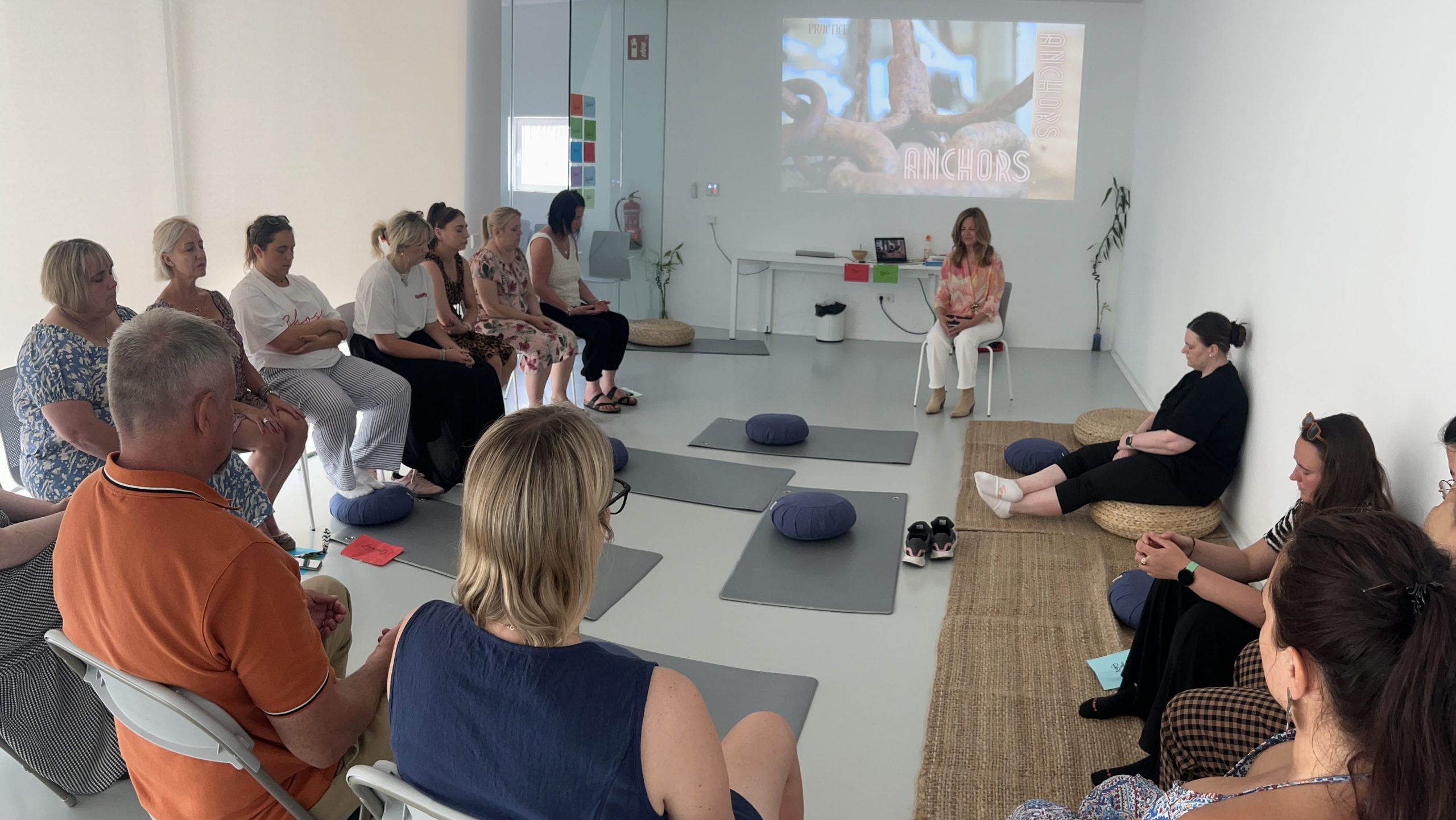
    Throughout the week, we combined daily mindfulness meditation practice with Social and Emotional Learning (SEL) applied to the teachers’ educational realities. The aim was to promote regeneration by engaging participants’ critical thinking and creativity, all grounded in active listening, empathy, and compassion.

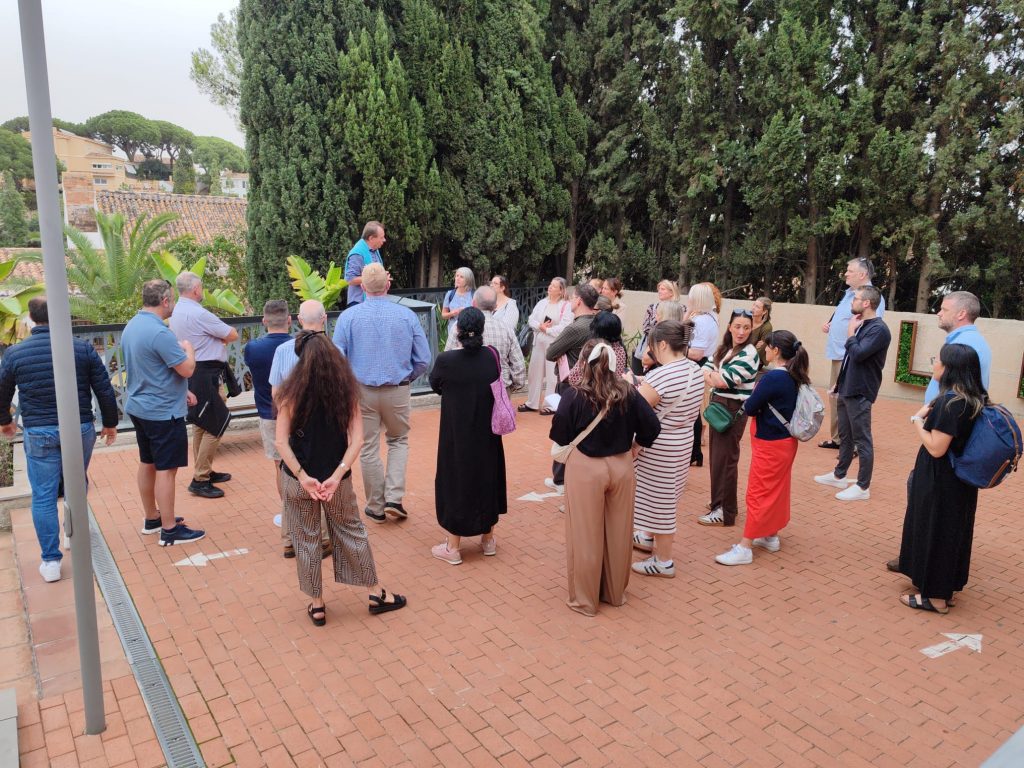
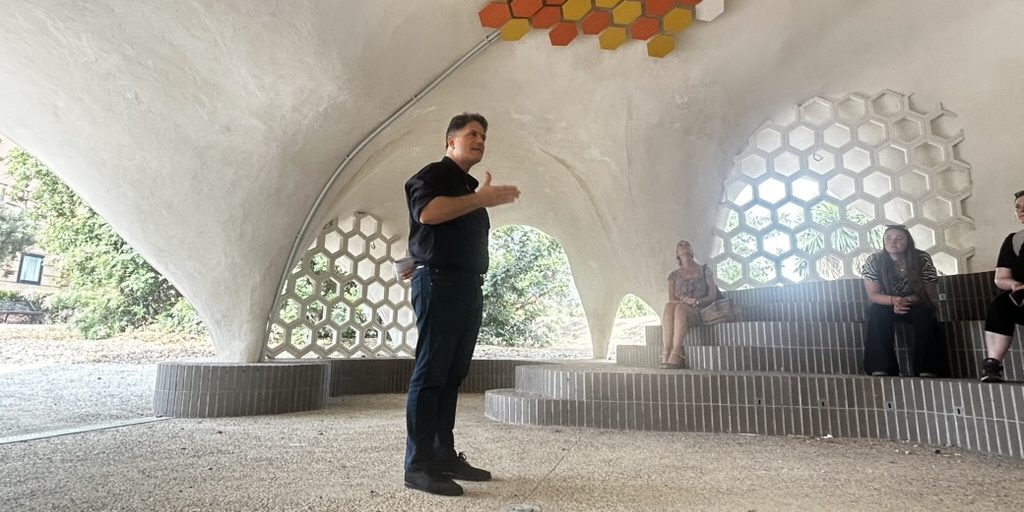
    We also spent a day at the University of Málaga (UMA), where we explored further the importance of creating mindful spaces. Our first visit was to the Faculty of Education, where Dr Juan G, a renowned local architect, explained the design of a sustainable outdoor classroom affectionately known as “The Mushroom.” This space encourages meditation and small group collaboration in an open-air environment far removed from traditional classrooms.

    Dra Luisa M also spoke about how mindfulness is being integrated into teacher training programmes at UMA, as well as other university faculties—showing highly positive results in both student and staff well-being.

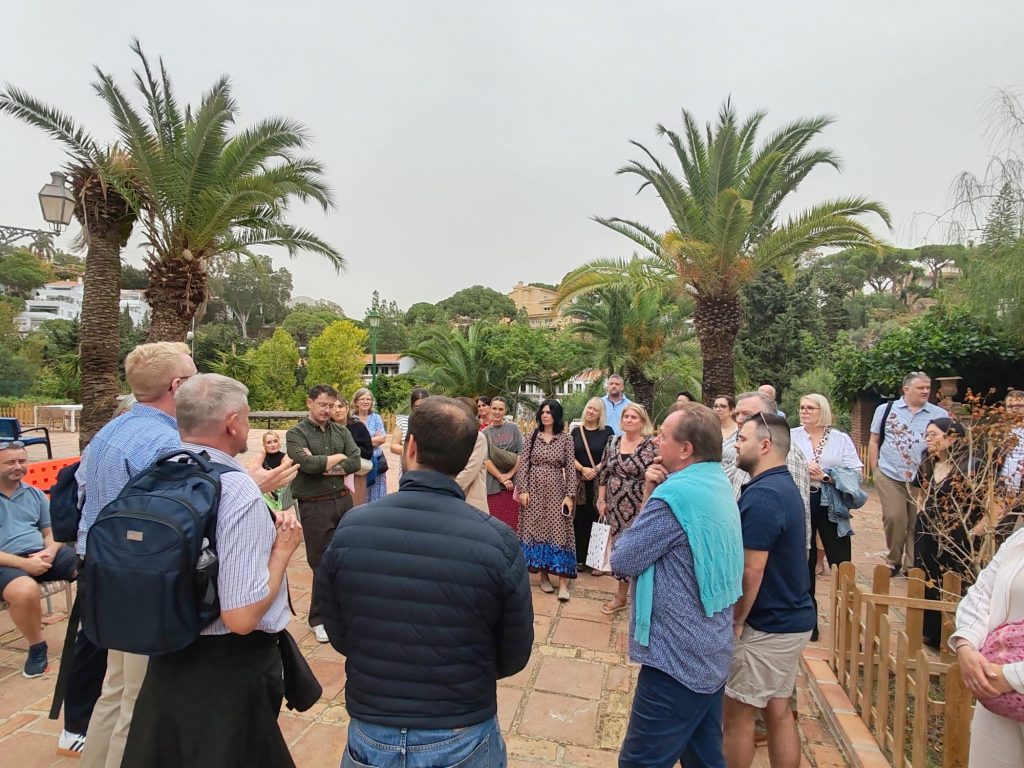
    Our visit continued to the Botanical Garden, where we were welcomed by biologist Dra Rosa P and our colleague at Laurus, Nathalie Borges. Together, we’ve used this space for activities during a mindful summer camp for children. The garden offers an ideal setting for all kinds of mindfulness practices—from quiet reflection and observation to active learning about nature and regeneration.

    We concluded our university visit at the Faculty of Psychology, where we toured a dedicated meditation room—an intentionally designed space for mindfulness practice by our host Dra Myriam D. Having a room like this in your school or faculty can be a powerful tool for introducing mindfulness and fostering a culture of well-being within the educational community. We also received a practical class from our colleague Teresa Roura.

    The purpose of this blog is to invite you to reflect on the importance of physical space in nurturing well-being, regeneration, and effective learning.

    If you’d like to know more about how we can help you create or transform such a space, please don’t hesitate to get in touch.

  • Fear is a dark room

    Fear is a dark room

    Fear Is a Darkroom: Learning to See Clearly in Times of Uncertainty

    «Fear is a darkroom where we develop our negatives.»
    This powerful metaphor was coined by one of my students during a class presentation on anxiety. The phrase has stuck with me ever since, and its impact feels even more profound today.

    Though the image might seem outdated in our digital age, it still resonates deeply. Fear, much like a darkroom, can amplify the negative aspects of our experience. Yet it’s also a natural and necessary human emotion—designed to help us survive.

    In this post, I want to explore fear: how we experience it, how we react to it, and how we might begin to manage it more mindfully, especially in an age saturated by media, information, and uncertainty.


    Fear: Our Companion and Our Captor

    Fear often arises in response to uncertainty, perceived danger, or threat. It can be an essential ally, alerting us to danger and helping us protect ourselves. But fear can also become inappropriate, contagious, and destructive—especially when left unexamined.

    Much of our response to fear is shaped by past experiences. If you were once chased by a dog and ran away unscathed, you might adopt avoidance as your go-to strategy—not just with dogs, but in any situation that provokes anxiety. But avoidance can become limiting. It keeps us confined to a «comfort zone» and prevents growth.

    Sometimes our fears aren’t even based on personal experience, but on secondhand information—what we’ve been told or what we observe in others. Remember the panic-buying during the early days of COVID-19? It wasn’t just fear of the virus, but fear of scarcity, stoked by media images and collective behavior.


    The Conditioning of Fear

    Our reactions to fear are often conditioned responses. We learn them from the people around us—parents, caregivers, teachers, friends—and from what has worked for us in the past.

    But here’s the catch: strategies that helped us once might not serve us in every situation. And when fear leads us to always flee, isolate, or over-control, we risk cutting ourselves off from growth, connection, and insight.

    In a world flooded with polarizing opinions, headlines, and “truths,” we often cling to whatever reinforces our worldview. That gives us a sense of security. But are we really seeking truth—or just emotional reassurance?


    A Little Experiment

    Let’s pause for a moment. Try this small emotional awareness experiment:

    Read the two statements below and observe your internal reaction:

    1. “We have become slaves and victims of state propaganda and of the fears they have induced to keep us quiet and grateful for our lot.”
    2. “The media and our democratically elected government, in tandem with science, are doing everything they can to protect, inform and look after us.”

    Now ask yourself:

    • Which one do you feel is more true?
    • How did you arrive at that conclusion?
    • Were your emotions involved?
    • Were your beliefs or biases influencing your judgment?

    This experiment isn’t about choosing a side—it’s about observing your internal world.


    Mindfulness in Conflict Resolution

    Last year, I presented research on mindfulness and language teaching at an academic congress at the University of Zaragoza. One workshop stood out: it was led by a conflict mediator who uses mindfulness to work with deep-rooted disputes—religious, political, ethnic.

    His approach begins with active listening—asking each side to express their truth while the other listens in silence. He encourages moments of stillness, self-awareness, and even creative expression, like human sculptures representing each group’s perspective.

    Sometimes, this process softens barriers. People begin to see that beneath the anger and division, there is shared humanity—like love for family or desire for safety.

    And when dialogue stalls, he takes a bold next step: he invites each group to “find the lie hidden in their truth.” This can be transformational. Recognizing the grain of falsehood in our own beliefs helps us acknowledge the truth in others’. That mutual recognition is often the beginning of real resolution.


    Finding Space to Breathe

    With the constant noise of news and social media, it’s easy to feel overwhelmed. It’s okay—necessary, even—to disconnect sometimes. Find a quiet space, breathe, and allow yourself to feel without judgment.

    Fear is not inherently bad. But we must distinguish between real and present danger and fear based on imagined futures—what I call “Future Expectations Appearing Real.” That kind of fear can trap us.

    Staying alert is good—if it leads to awareness, wisdom, and compassion. But if it stems from irrational fear or constant vigilance, it becomes harmful.

    That’s why I would rewrite the well-known government slogan to say:
    “Stay mindfully alert. Protect your mental health and that of others.”


    A Mindful Path Through Fear

    Fear is with us. Always will be. But we don’t have to be ruled by it. Through mindfulness, we can learn to:

    • Stop and be
    • Breathe
    • Observe
    • Respond wisely

    By sitting with our fear and observing it clearly, we open the door to understanding and right action. In doing so, we not only manage our own emotions better—we also contribute to a wiser, more compassionate world.


    Thank you for reading. If this resonated with you or sparked any questions, I’d love to hear from you. Feel free to get in touch—especially if you’re interested in learning more about mindfulness, emotional awareness, or how these practices can support education and community wellbeing.