¡Tu carrito está actualmente vacío!
Tag: Mindfulness
-

The 5 pillars of wellness and why September is good to make a fresh start
This month marks the launch of our very first newsletter, along with a series of free events to coincide with World Wellness Weekend (WWW) from 19th–21st September.
September is a natural starting point for new intentions and projects.
Our community events will take place on the 19th, 20th and 21st—you can to join us.
Why today 9th September Matters
The 9th of September is also Saint Ciarán’s Day. On the island of Inishmore, one of the Aran Islands off the west coast of Galway, the rites of St. Ciarán are celebrated. It is a place close to my heart, as both my son Keiran and this project were, in a sense, conceived there. I return whenever I can, and in 2026, when I bring a group of teachers to Galway for ERASMUS+ KA1 training mobilities, I will go again. Perhaps you’d like to join me?
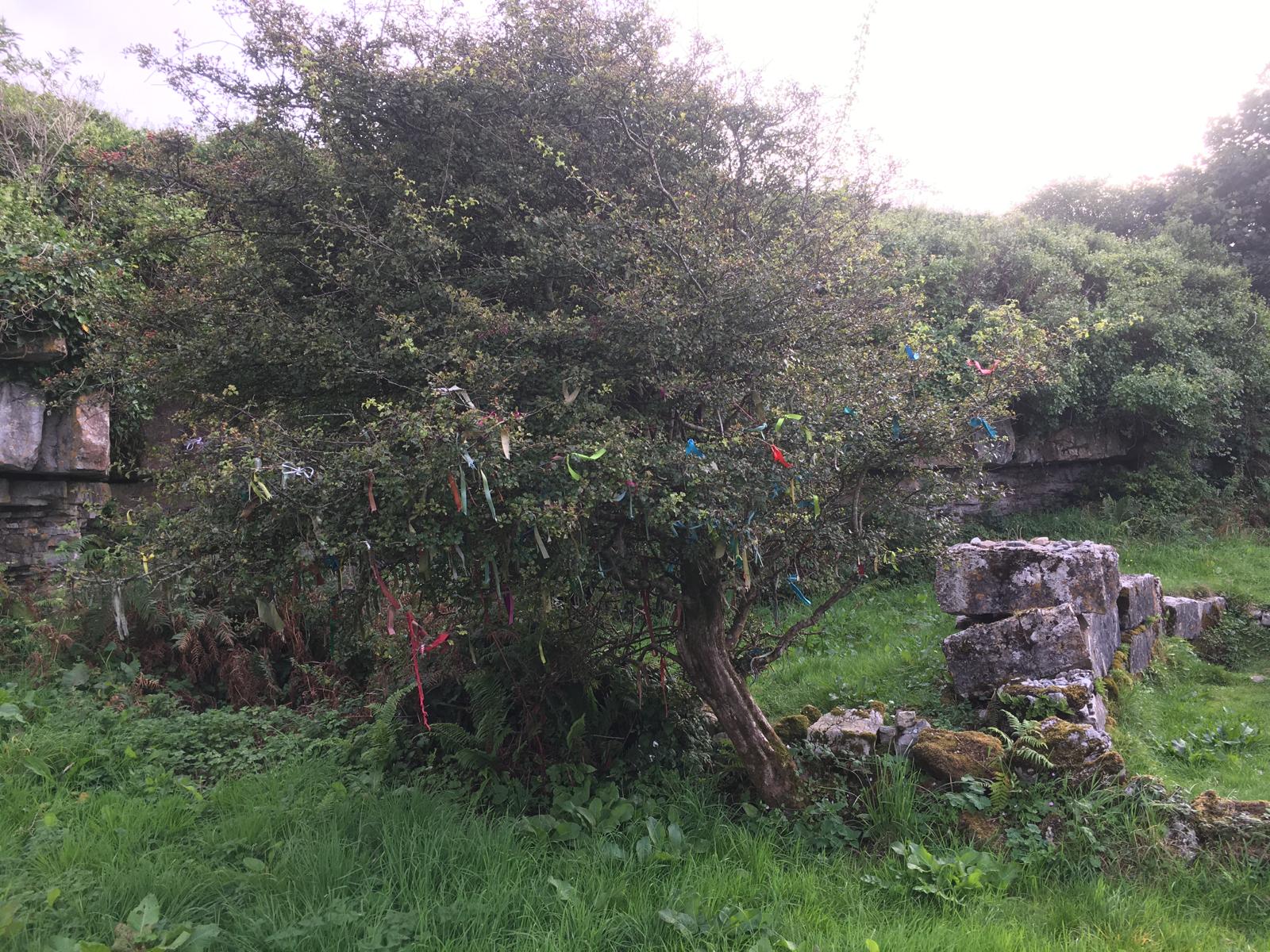
Behind the ruins of Teampall Ciarán there is a dolmen and sacred well, marked by a holy whitethorn tree. In the Celtic rite, pilgrims walk clockwise around the well, counting each round with a pebble. Each circuit is an intention or prayer—3, 5, or traditionally on Aran, 7 rounds.
- 3: the universal blueprint (reflected in our logo) See our first newsletter.
- 5: the elements and the principle of regeneration (our core values)
- 7: the chakras. See our course
A simple intention might be: “May I be well. May I generate wellness.”
For us, regeneration is about doing more good, giving back to others, our communities, and our planet—while also practicing self-compassion and caring for our own wellbeing.
The Five Pillars of Wellness
According to World Wellness Weekend, there are five pillars of wellness. Each has a mirror that reflects and deepens its meaning:
- Sleep & Creativity
Rest restores us, and from silence and dreams, creativity is born. This could be our first intention: quality rest and inspired creativity. On the 20th, we’ll offer a workshop to help you open to creativity from the heart. - Mindfulness & Serenity
A calm beginner’s mind allows us to observe the present moment with clarity and compassion. Mindfulness is at the heart of our project—its fruit is wisdom and compassion. Join us in our weekly meditations as a member of our community. - Movement & Vitality
Our bodies are meant to move. Movement connects us to the world and deepens our awareness of ourselves. Join us on Fridays to move, breathe, and regenerate the earth together. - Nutrition & Immunity
Food fuels not only body and mind, but also soul. In Ayurveda, nutrition is linked to:- Prana (vital energy, air)
- Tejas (nourishing fire)
- Ojas (bodily radiance, earth and water)
See our course on ayurveda for more information: https://naturaclass.net/product/curso-de-ayurveda/
We are what we eat. In our Friday Regenerative sessions and monthly events, we’ll share local, organic, and seasonal food—and breathe in the energy of prana.
- Purpose & Solidarity
Purpose gives life direction, and solidarity reminds us we are not alone. This is why we are launching our project now: to weave partnerships and community around a shared purpose of regeneration—to create a wiser, more compassionate world.
So, we leave you with a question:
👉 What is your purpose?
👉 Will you choose to become part of the ReGeneration? -

Mindfulness en la Educación: Un Enfoque Integrador Basado en Proyectos
Mindfulness in Education: An Integrative, Project-Based Approach
This July, Laurus had the pleasure of being in Cork, Ireland, hosted by University College Cork (UCC) in collaboration with our partners Eurobjective https://www.eurobjective.com/
Together, we delivered our ERASMUS+ course, «Mindfulness in Education: An Integrative, Project-Based Approach», designed specifically for secondary school teachers across Europe.
A Holistic Learning Experience
The course introduces participants to the foundations of mindfulness in an educational context. But it goes beyond the classroom: we explore how mindfulness can enrich students’ lives through connections with culture, history, local gastronomy, nature, and sport.
Our approach encourages teachers to observe themselves in relation to these topics, fostering both personal well-being and creative professional growth. The goal? To return to their schools equipped not only with new skills, but with renewed energy and a fresh perspective.
A Warm Welcome at UCC
From day one, our hosts at UCC impressed us: https://www.ucc.ie/en/visitorservices/ The head of visitor services—an engaging storyteller—led us on a historical and cultural tour of the campus and its magnificent trees. A highlight of the visit was learning about UCC’s regenerative landscaping project, which includes wildflower zones, natural habitats for wildlife, and even an on-site resident beekeeper. This initiative has earned UCC international recognition, placing it 4th globally in environmental university rankings and in the top 10 for eight consecutive years.
Cultural Immersion and Mindful Reflection
We immersed ourselves in Cork’s rich cultural offerings, integrating music and art into our training. A visit to the Glucksman Gallery included a thought-provoking exhibition on well-being, where teachers were invited to engage in mindful reflection on selected works of art.
Another day led us to the iconic English Market and its renowned Farmgate Restaurant, where we practiced sensory mindfulness while enjoying local, ecological produce—including the famous Stonewell Cider.
The GROW Projects: Regenerating Classrooms
Throughout the course, participants were guided to design their own GROW Project—a mindfulness-based initiative tailored to their school environments. These projects are intended to regenerate classroom dynamics, enhance student well-being, and foster a sense of joy, trust, and connection in learning spaces.
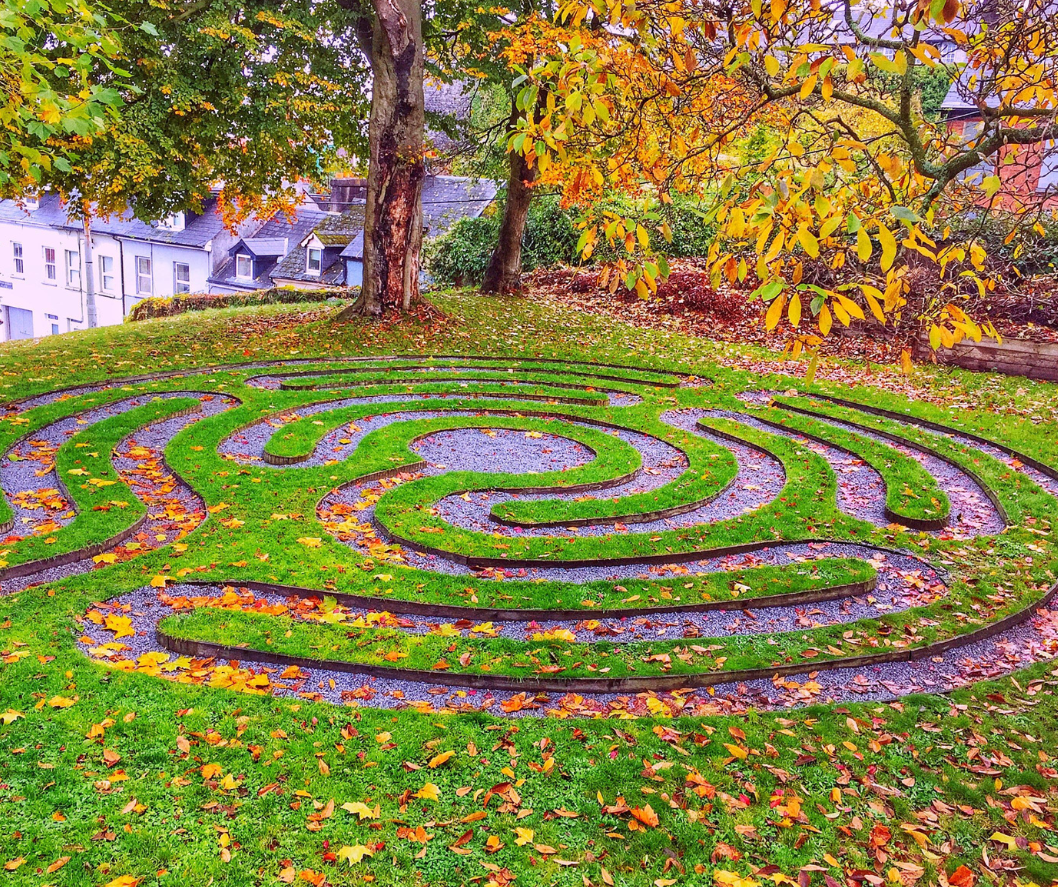
To close the week, we walked the labyrinth at St. Fin Barre’s Cathedral, a contemplative journey symbolizing the integration of learning and inner transformation. Participants were invited to interiorize their insights and prepare to share them with their communities back home.
Join Us in Ireland – Summer 2026
Would you like to be part of this transformative experience in the summer of 2026? Explore our upcoming training opportunities in the ERASMUS+ section for teacher mobility and professional development.


-

La importancia de crear un espacio consciente
The Importance of Creating a Mindful Space
In June 2025, we were fortunate to host a group of Welsh school teachers here in Málaga, in collaboration with our partners ACCIPE: https://accipe.org/ and the Welsh mobility programme TAITH (similar to Erasmus+).
Málaga is a city that naturally invites mindful reflection. It delights the senses and fosters a sense of well-being, making it an ideal setting for our work together. The teachers stayed at El Seminario (La Casa Diocesana), a beautiful historic building that now hosts training groups focused on spirituality, therapy, or social development. It’s a space perfectly suited to mindfulness courses—one that invites guests to relax, disconnect, and reflect on both personal and professional contexts.
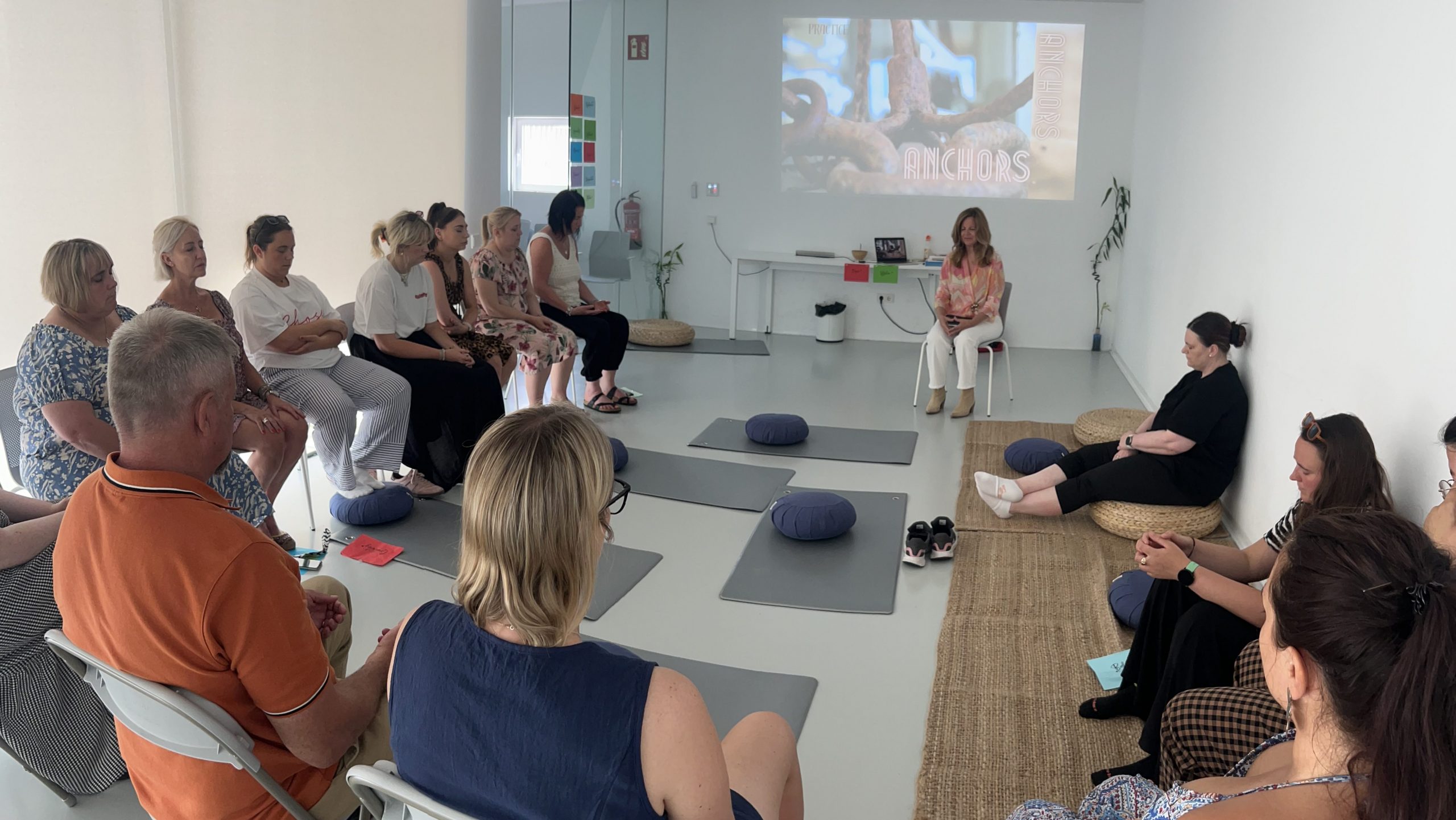
Throughout the week, we combined daily mindfulness meditation practice with Social and Emotional Learning (SEL) applied to the teachers’ educational realities. The aim was to promote regeneration by engaging participants’ critical thinking and creativity, all grounded in active listening, empathy, and compassion.
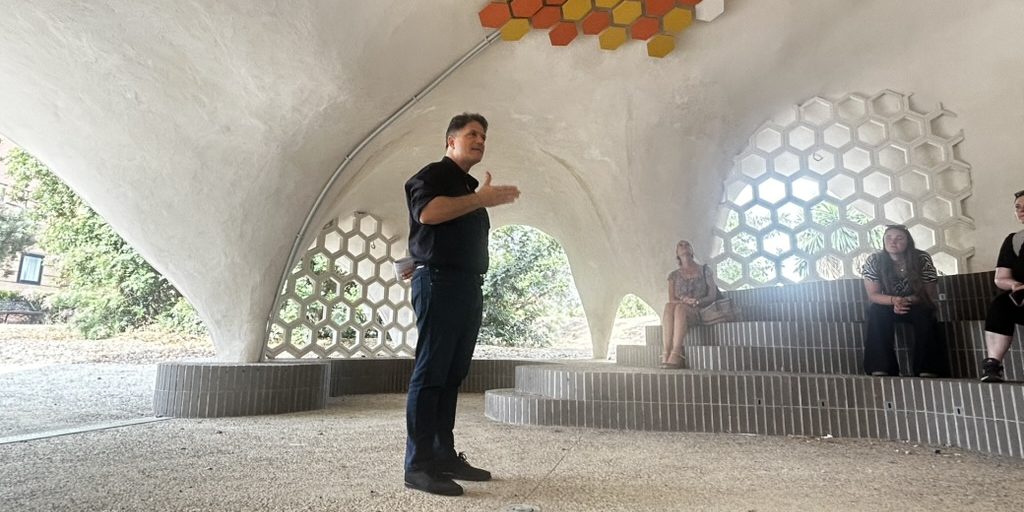
We also spent a day at the University of Málaga (UMA), where we explored further the importance of creating mindful spaces. Our first visit was to the Faculty of Education, where Dr Juan G, a renowned local architect, explained the design of a sustainable outdoor classroom affectionately known as “The Mushroom.” This space encourages meditation and small group collaboration in an open-air environment far removed from traditional classrooms.
Dra Luisa M also spoke about how mindfulness is being integrated into teacher training programmes at UMA, as well as other university faculties—showing highly positive results in both student and staff well-being.
Our visit continued to the Botanical Garden, where we were welcomed by biologist Dra Rosa P and our colleague at Laurus, Nathalie Borges. Together, we’ve used this space for activities during a mindful summer camp for children. The garden offers an ideal setting for all kinds of mindfulness practices—from quiet reflection and observation to active learning about nature and regeneration.
We concluded our university visit at the Faculty of Psychology, where we toured a dedicated meditation room—an intentionally designed space for mindfulness practice by our host Dra Myriam D. Having a room like this in your school or faculty can be a powerful tool for introducing mindfulness and fostering a culture of well-being within the educational community. We also received a practical class from our colleague Teresa Roura.
The purpose of this blog is to invite you to reflect on the importance of physical space in nurturing well-being, regeneration, and effective learning.
If you’d like to know more about how we can help you create or transform such a space, please don’t hesitate to get in touch.
-

Mindfulness y Educación
Editor: José Emilio Palomero Pescador
Monografía coordinada por Pablo Palomero Fernández
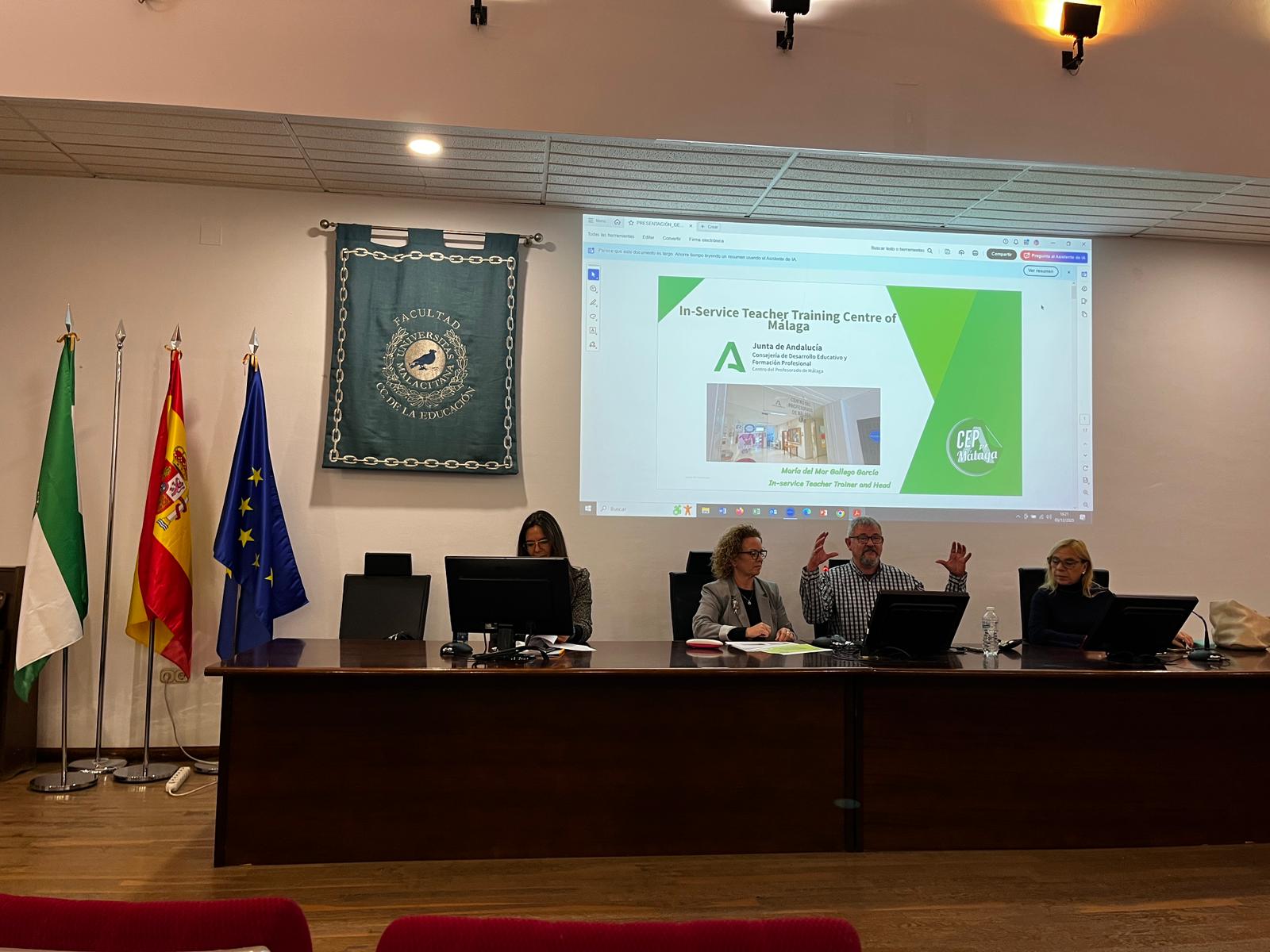
RIFOP. Año 30. Con el presente número (30.3. Diciembre 2016), en el que publicamos una monografía sobre mindfulness y educación, la Revista Interuniversitaria de Formación del Profesorado (RIFOP) cumple su trigésimo aniversario. Por ello comenzaremos este editorial haciendo un breve recorrido por su historia.En la página 47 se puede leer los resultados de nuestra investigación sobre formación de mindfullness para el profesorado del CEP de Málaga.