Regenerative Education: A Framework for Thriving Schools
1. What Is Regenerative Education?
Regenerative education is an emerging approach that goes beyond sustainability. Instead of merely reducing harm, it aims to restore, renew, and enhance the well-being of learners, educators, communities, and ecosystems. It views the school not as a mechanical institution but as a living system, one that develops through relationships, cooperation, diversity, and adaptation. In other words, the same principles that allow natural ecosystems to flourish.
In this approach, learning is not just about academic achievement. It is about cultivating the human and ecological capacities that make healthy, resilient, and compassionate communities possible
2. Why It Matters Now
Schools are facing unprecedented challenges: teacher burnout, student anxiety, social fragmentation, lack of meaning, and disconnection from nature. Traditional improvement models are no longer enough. Regenerative education responds to these challenges by:
- strengthening teacher well-being and sense of purpose
- building emotionally intelligent, confident, self-aware learners
- reconnecting students with nature and community
- creating learning environments where everyone can flourish
- preparing young people for a complex, interdependent world
It aligns closely with the 2030 EU educational priorities, the UN SDGs, and the Andalusian strategic goals for inclusive, high-quality, future-oriented education.
3. Core Principles of Regenerative Education
1) Learning as a Living System
Education is understood as a dynamic ecosystem. This means promoting:
- cooperation rather than competition
- diversity of perspectives
- self-organization and student agency
- flexible, adaptive learning environments
Teachers are facilitators of growth, not mere transmitters of content.
2) Human Flourishing and Well-Being
Regenerative schools place well-being at the center. This can include:
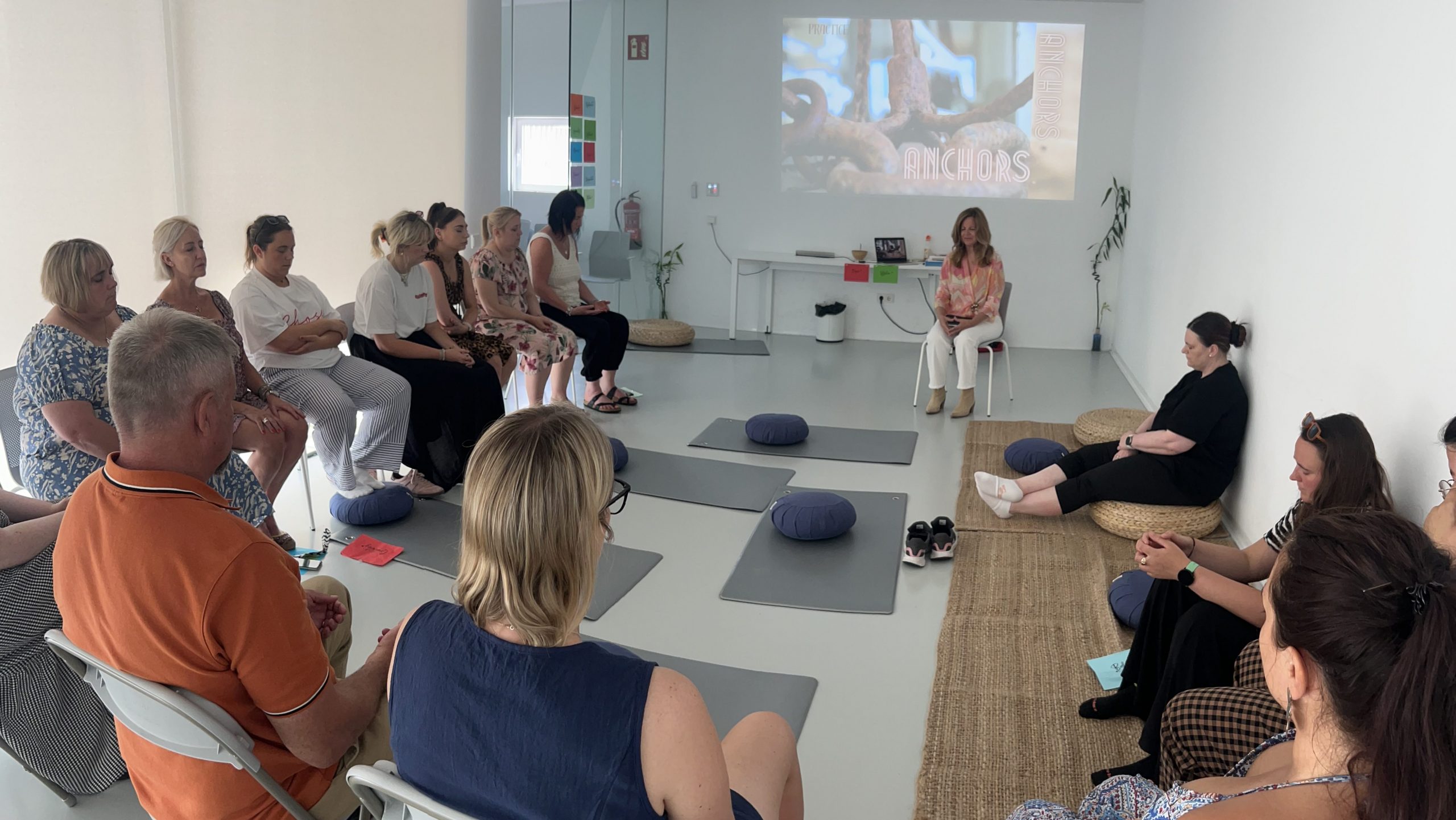
- mindfulness practices to reduce stress and improve focus
- emotional intelligence skills for self-awareness and social harmony
- compassionate communication and conflict resolution
- supportive environments that prevent burnout
A thriving teacher is the foundation of a thriving school.
3) Connection with Nature and Place
Nature is not an occasional field trip; it needs to become our guide. Through activities like forest schools, outdoor experiential learning in school gardens and biomimicry-inspired activities, students develop:
- ecological literacy
- sensory awareness
- creativity and problem-solving skills
- a sense of belonging to the natural world
These experiences have clear benefits for attention, mood, motivation, and inclusion.
4) Systems Thinking and Regenerative Leadership
Regenerative education helps learners see the world as interconnected. Students and teachers learn to:
- recognize patterns and feedback loops
- understand complexity
- develop solutions that support the whole system
- lead collaboratively and ethically
This prepares them for a rapidly changing social and technological landscape.
5) Learning That Serves Community and Purpose
Regenerative education connects learning with real-world challenges, community needs, and personal meaning and through participatory projects students can develop:
- communication in multiple languages
- creativity and innovation
- critical thinking
- empathy and civic responsibility
This approach fosters a culture of contribution and belonging.
Case studies
Educating for Regeneration: Schools as Living Systems of Hope
In a time marked by uncertainty, fragmentation, and growing pressure on educational communities, regenerative education offers something profoundly needed: a return to life-centred learning. It invites us to move beyond systems that merely endure, toward schools that restore, reconnect, and regenerate — places where children, teachers, families, and communities can truly flourish.
Regenerative education is not an abstract theory or a distant ideal. It is already alive in schools that dare to reimagine what education can be when relationships, wellbeing, creativity, and connection to place are placed at the heart of learning.
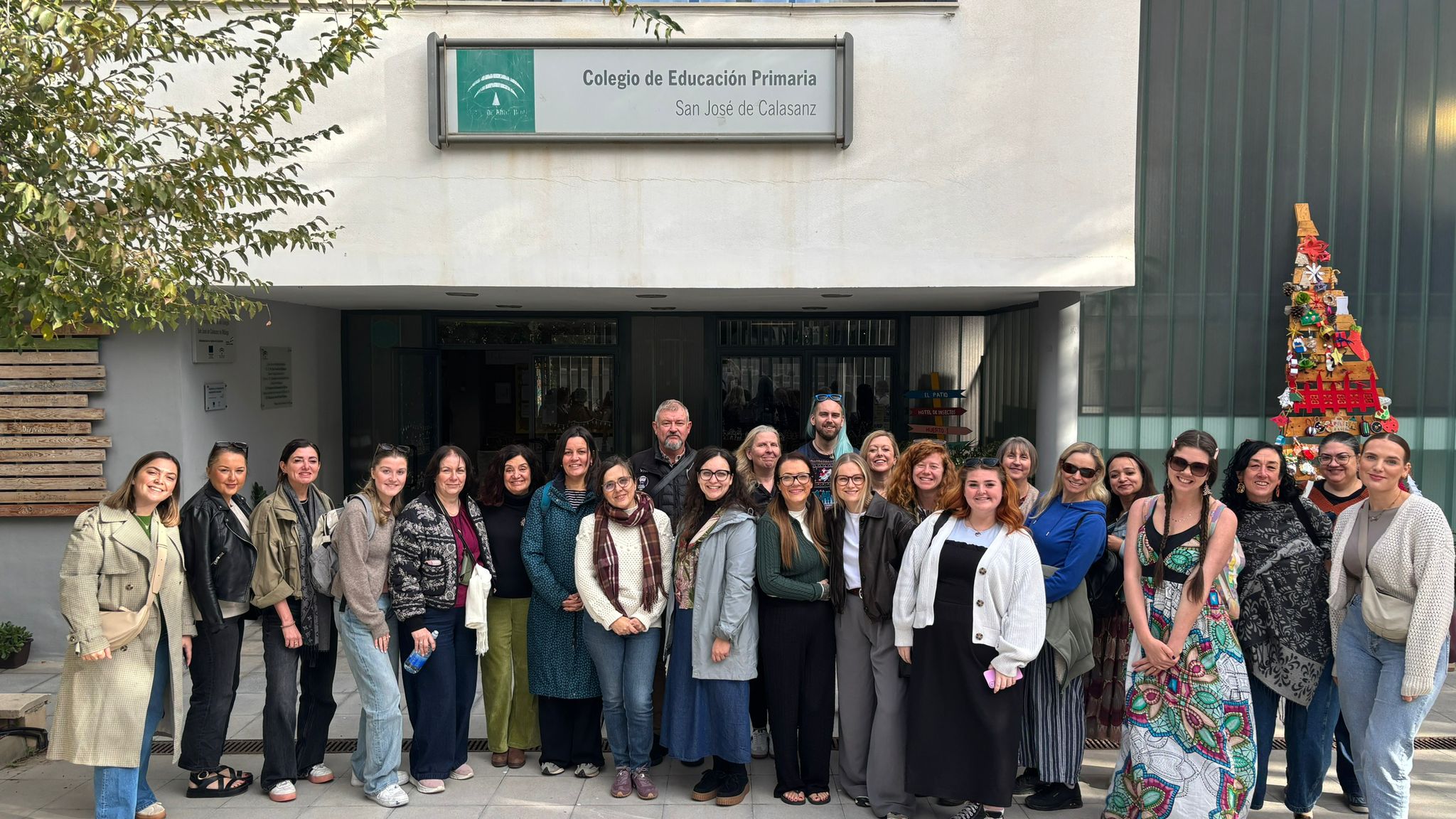
CEIP San José de Calasanz (Málaga) stands as a living example of this possibility. Over eight years, the school has evolved into a thriving educational ecosystem, where physical spaces, pedagogy, and community life are deeply interwoven. Classrooms extend into corridors and gardens; learning is embodied through art, ceramics, storytelling, and history made visible; and the school itself functions as a shared living space that adapts to the needs of its people. Families are not visitors but partners. Inclusion is not a policy but a daily practice. Care for children extends beyond the timetable, recognising the realities of modern life and supporting families with compassion and dignity. This is regeneration in action — a school that does not simply transmit knowledge, but cultivates belonging, agency, and collective care.
At CEIP Daidín (Benahavís), regeneration begins from within. Emotional intelligence, wellbeing, and relational awareness form the foundation of school life. Teachers are equipped not only with pedagogical tools, but with emotional literacy and reflective practices that enable them to support both themselves and their pupils. Children learn to name, understand, and regulate emotions, developing resilience and empathy from an early age. Through participatory leadership, student voice, and everyday practices of gratitude and listening, the school nurtures a culture where every individual feels seen and valued. Here, regeneration unfolds through relationships — quiet, consistent, and deeply transformative.
Conclusion
We need to remind ourselves that education is a living system, shaped by context, culture, relationships, and care. When we support educators to lead regeneratively with mindfulness, emotional intelligence, systems thinking, and inspiration drawn from nature, schools become places that not only prepare students for the future, but actively heal and regenerate the present.
This is the vision at the heart of our proposal and we want to work alongside our partners; to empower educators as regenerative leaders; to reconnect learning with real life skills and needs; to cultivate wellbeing, inclusion, and creativity, and; to design educational cultures that are wise, compassionate, and alive.
By sharing practices, building transnational learning communities, and honouring the wisdom already present in our schools, we plant seeds for a more humane and regenerative educational future;one where schools are not simply institutions, but roots of transformation within their communities.
Education, when nurtured with care and intention, has the power not only to sustain, but to regenerate.