Tag: Educación

  •  Regenerative Education: A Framework for Thriving Schools

     Regenerative Education: A Framework for Thriving Schools

     Regenerative Education: A Framework for Thriving Schools

    1. What Is Regenerative Education?

    Regenerative education is an emerging approach that goes beyond sustainability. Instead of merely reducing harm, it aims to restore, renew, and enhance the well-being of learners, educators, communities, and ecosystems. It views the school not as a mechanical institution but as a living system, one that develops through relationships, cooperation, diversity, and adaptation. In other words, the same principles that allow natural ecosystems to flourish.

    In this approach, learning is not just about academic achievement. It is about cultivating the human and ecological capacities that make healthy, resilient, and compassionate communities possible

    2. Why It Matters Now

    Schools are facing unprecedented challenges: teacher burnout, student anxiety, social fragmentation, lack of meaning, and disconnection from nature. Traditional improvement models are no longer enough. Regenerative education responds to these challenges by:

    • strengthening teacher well-being and sense of purpose
    • building emotionally intelligent, confident, self-aware learners
    • reconnecting students with nature and community
    • creating learning environments where everyone can flourish
    • preparing young people for a complex, interdependent world

    It aligns closely with the 2030 EU educational priorities, the UN SDGs, and the Andalusian strategic goals for inclusive, high-quality, future-oriented education.

    3. Core Principles of Regenerative Education

    1) Learning as a Living System

    Education is understood as a dynamic ecosystem. This means promoting:

    • cooperation rather than competition
    • diversity of perspectives
    • self-organization and student agency
    • flexible, adaptive learning environments

    Teachers are facilitators of growth, not mere transmitters of content.

    2) Human Flourishing and Well-Being

    Regenerative schools place well-being at the center. This can include:

    • mindfulness practices to reduce stress and improve focus
    • emotional intelligence skills for self-awareness and social harmony
    • compassionate communication and conflict resolution
    • supportive environments that prevent burnout

    A thriving teacher is the foundation of a thriving school.

    3) Connection with Nature and Place

    Nature is not an occasional field trip; it needs to become our guide. Through activities like forest schools, outdoor experiential learning in school gardens and biomimicry-inspired activities, students develop:

    • ecological literacy
    • sensory awareness
    • creativity and problem-solving skills
    • a sense of belonging to the natural world

    These experiences have clear benefits for attention, mood, motivation, and inclusion.

    4) Systems Thinking and Regenerative Leadership

    Regenerative education helps learners see the world as interconnected. Students and teachers learn to:

    • recognize patterns and feedback loops
    • understand complexity
    • develop solutions that support the whole system
    • lead collaboratively and ethically

    This prepares them for a rapidly changing social and technological landscape.

    5) Learning That Serves Community and Purpose

    Regenerative education connects learning with real-world challenges, community needs, and personal meaning and through participatory projects students can develop:

    • communication in multiple languages
    • creativity and innovation
    • critical thinking
    • empathy and civic responsibility

    This approach fosters a culture of contribution and belonging.

    Case studies

    Educating for Regeneration: Schools as Living Systems of Hope

    In a time marked by uncertainty, fragmentation, and growing pressure on educational communities, regenerative education offers something profoundly needed: a return to life-centred learning. It invites us to move beyond systems that merely endure, toward schools that restore, reconnect, and regenerate — places where children, teachers, families, and communities can truly flourish.

    Regenerative education is not an abstract theory or a distant ideal. It is already alive in schools that dare to reimagine what education can be when relationships, wellbeing, creativity, and connection to place are placed at the heart of learning.

    CEIP San José de Calasanz (Málaga) stands as a living example of this possibility. Over eight years, the school has evolved into a thriving educational ecosystem, where physical spaces, pedagogy, and community life are deeply interwoven. Classrooms extend into corridors and gardens; learning is embodied through art, ceramics, storytelling, and history made visible; and the school itself functions as a shared living space that adapts to the needs of its people. Families are not visitors but partners. Inclusion is not a policy but a daily practice. Care for children extends beyond the timetable, recognising the realities of modern life and supporting families with compassion and dignity. This is regeneration in action — a school that does not simply transmit knowledge, but cultivates belonging, agency, and collective care.

    At CEIP Daidín (Benahavís), regeneration begins from within. Emotional intelligence, wellbeing, and relational awareness form the foundation of school life. Teachers are equipped not only with pedagogical tools, but with emotional literacy and reflective practices that enable them to support both themselves and their pupils. Children learn to name, understand, and regulate emotions, developing resilience and empathy from an early age. Through participatory leadership, student voice, and everyday practices of gratitude and listening, the school nurtures a culture where every individual feels seen and valued. Here, regeneration unfolds through relationships — quiet, consistent, and deeply transformative.

    Conclusion

    We need to remind ourselves that education is a living system, shaped by context, culture, relationships, and care. When we support educators to lead regeneratively with mindfulness, emotional intelligence, systems thinking, and inspiration drawn from nature, schools become places that not only prepare students for the future, but actively heal and regenerate the present.

    This is the vision at the heart of our proposal and we want to work alongside our partners; to empower educators as regenerative leaders; to reconnect learning with real life skills and needs; to cultivate wellbeing, inclusion, and creativity, and; to design educational cultures that are wise, compassionate, and alive.

    By sharing practices, building transnational learning communities, and honouring the wisdom already present in our schools, we plant seeds for a more humane and regenerative educational future;one where schools are not simply institutions, but roots of transformation within their communities.

    Education, when nurtured with care and intention, has the power not only to sustain, but to regenerate.
  • Formación docente en bienestar y mindfulness | Teacher training in wellbeing and mindfulness (Málaga)

    Formación docente en bienestar y mindfulness | Teacher training in wellbeing and mindfulness (Málaga)

    Teacher training in wellbeing and mindfulness: a regenerative learning experience in Málaga with teachers from Wales

    A week to regenerate education through wellbeing

    Mindfulness and teacher wellbeing training in Málaga

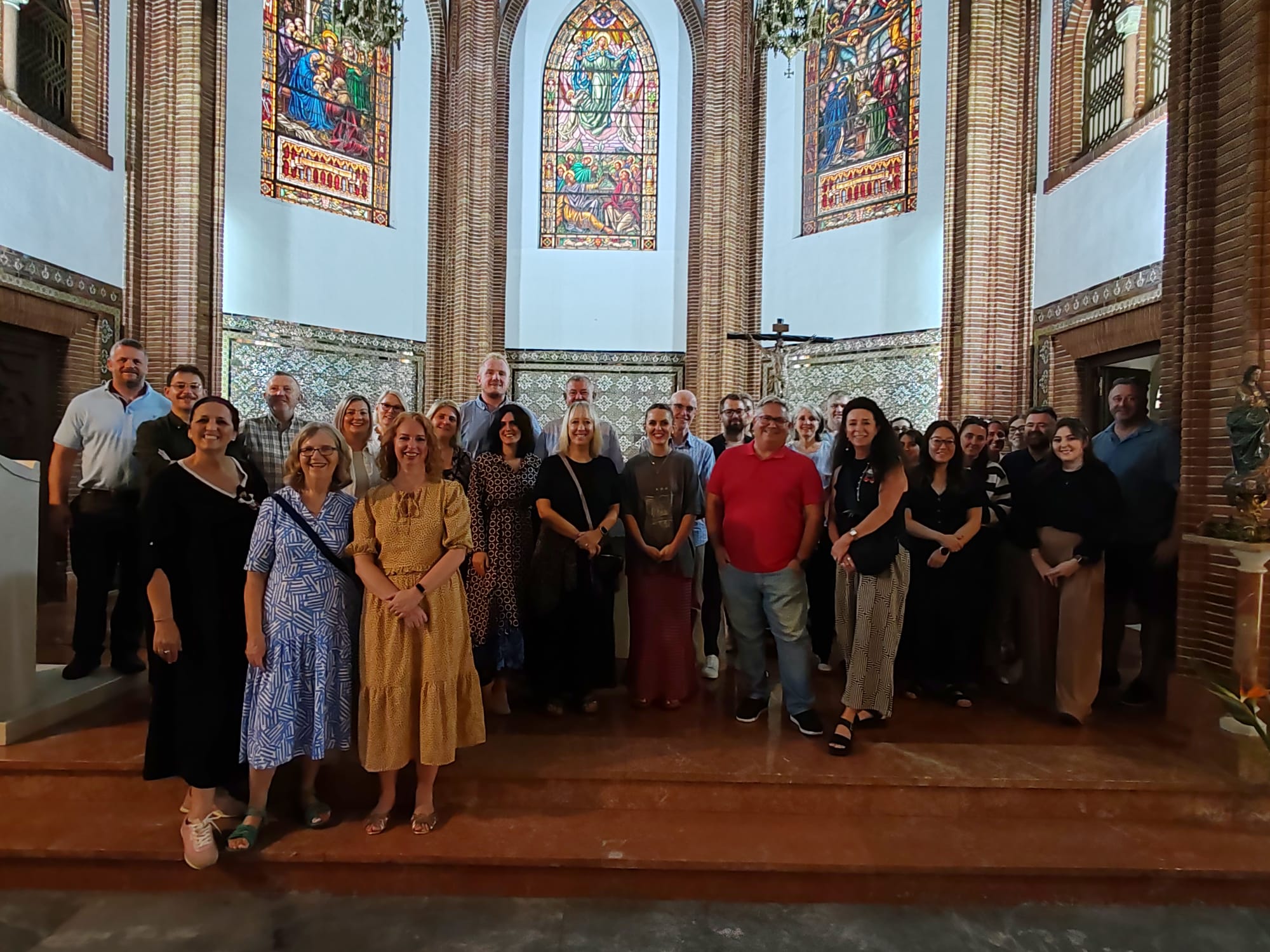
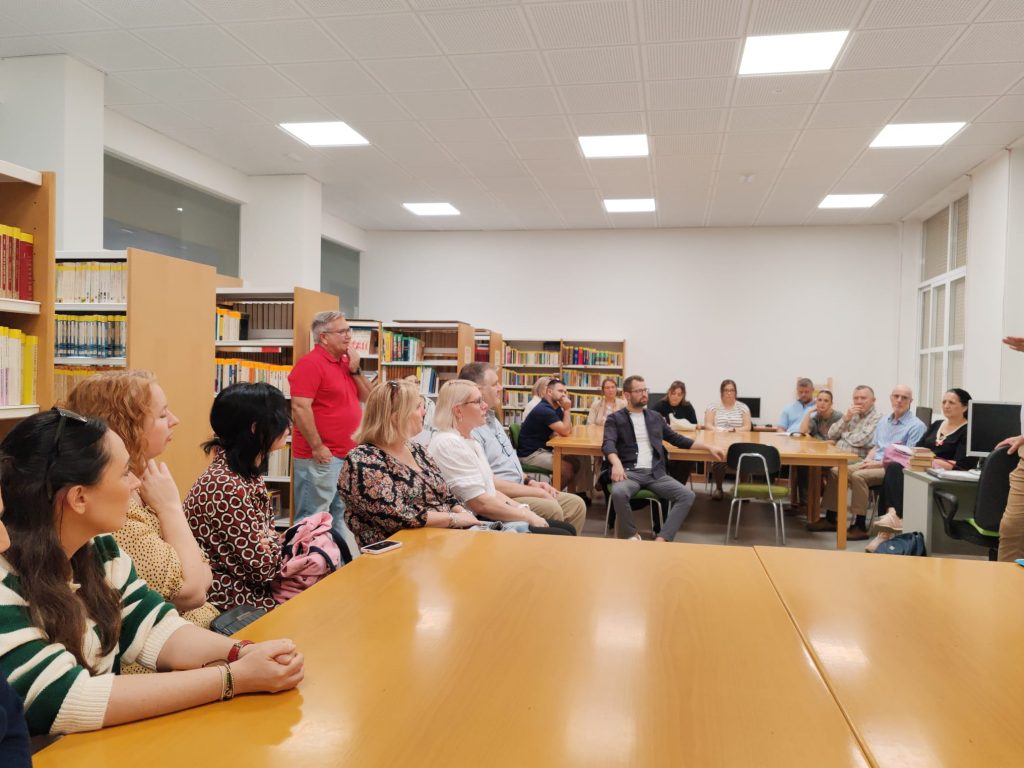
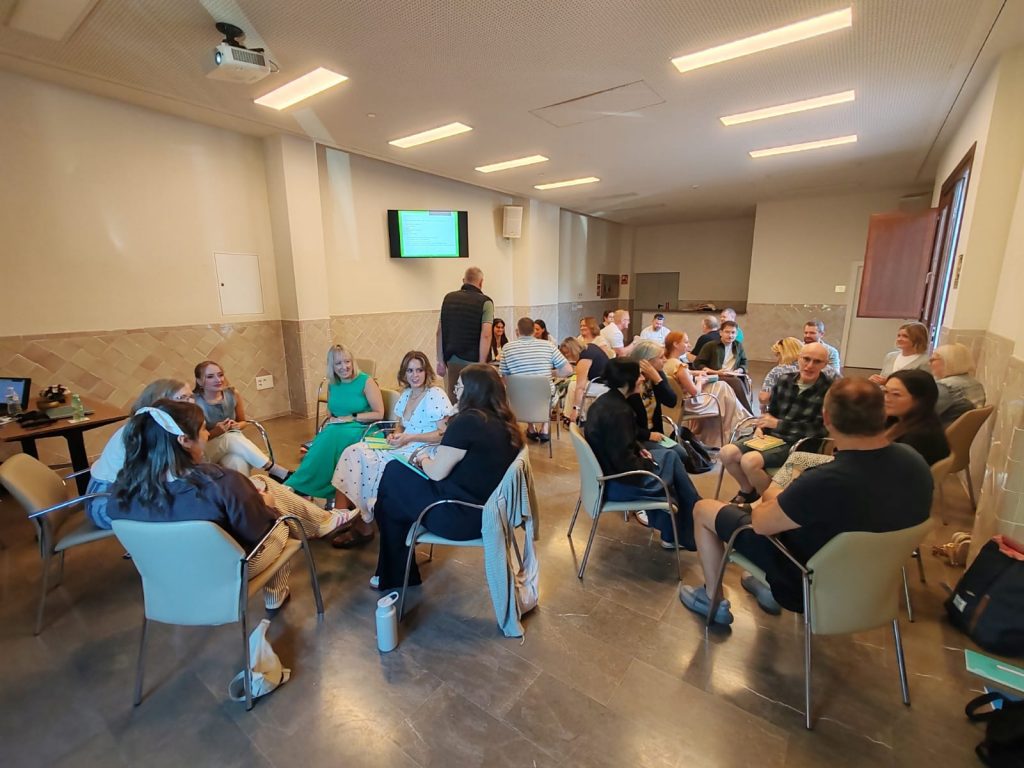
    From 2 to 5 December, Málaga hosted an international teacher training experience focused on wellbeing, mindfulness, and regenerative education. A group of 21 teachers from Wales took part in an intensive programme that combined professional learning, personal reflection, and a close connection with real educational practice.

    The training was delivered by Accipe and funded by Taith, in collaboration with ILG and Cardiff City Council, and facilitated by Lawrence Body, founder of Laurus Regenerative. The programme integrated mindfulness in education, emotional intelligence, and teacher wellbeing, combining theory and practice through a deeply experiential approach.

    Learning through experience: mindfulness applied to educational practice

    One of the central elements of the programme was experiential learning. Beyond theoretical content, participants were invited to observe their own experience as educators, reflect on their wellbeing, and explore how it directly influences classroom climate and learning processes.

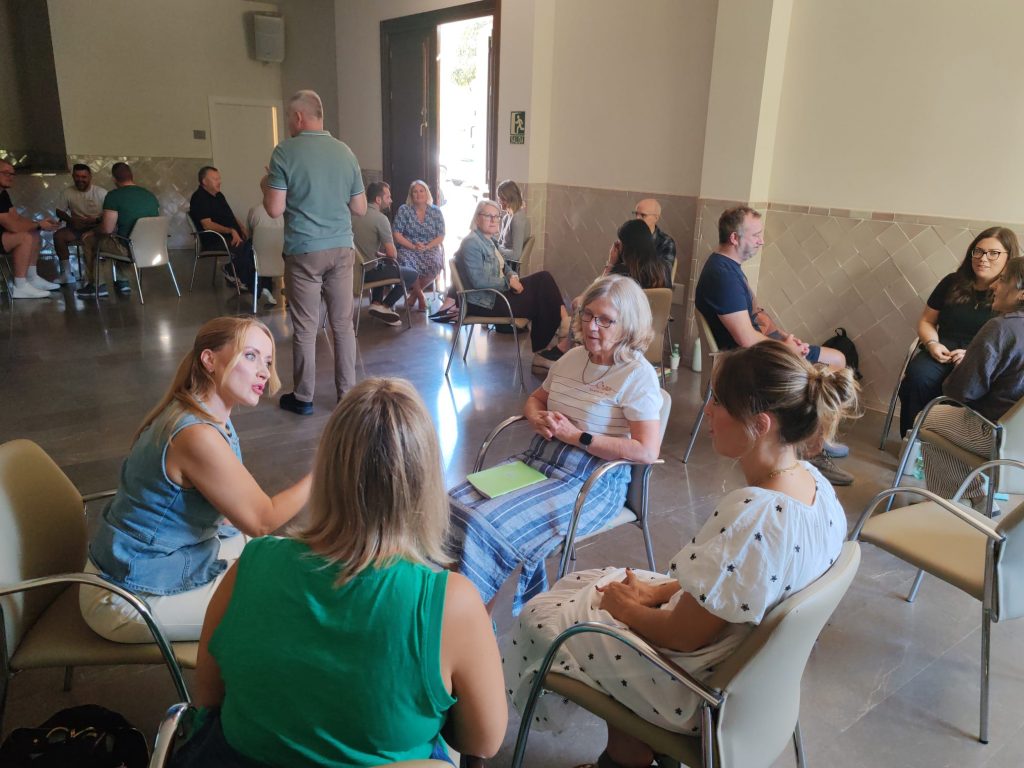
    Through mindfulness practices, group dynamics, and spaces for conscious dialogue, a safe environment was created where teachers could share real, everyday challenges. This approach helped connect personal wellbeing with educational quality and meaningful support for students.

    The school as a space for wellbeing and transformation

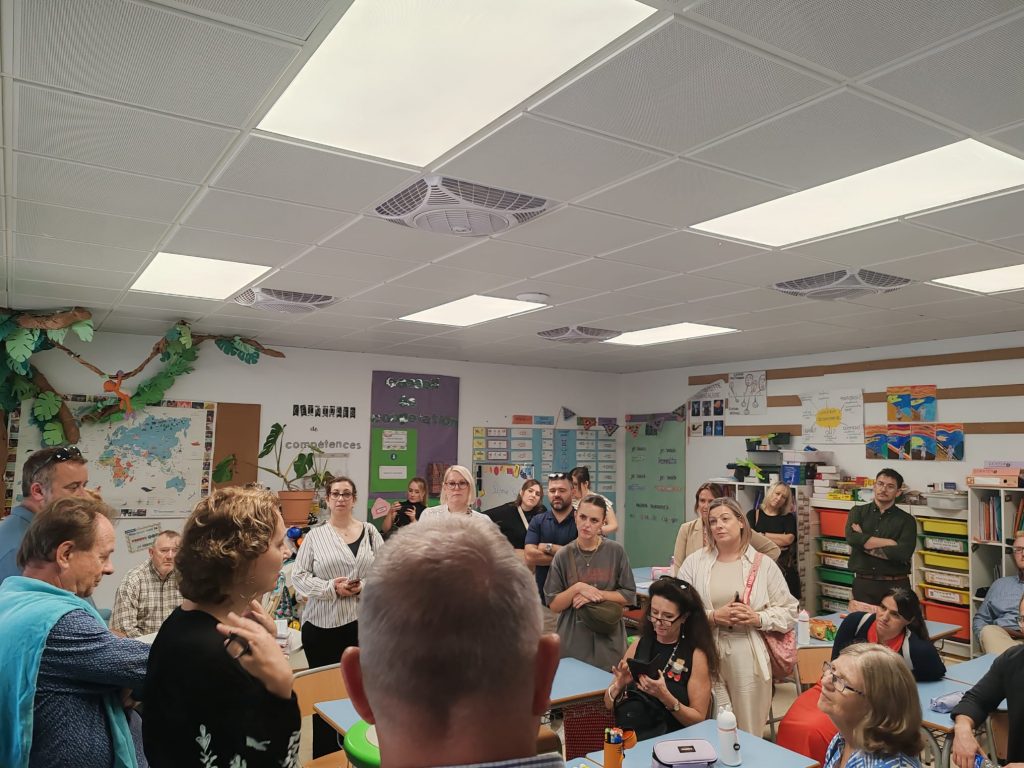
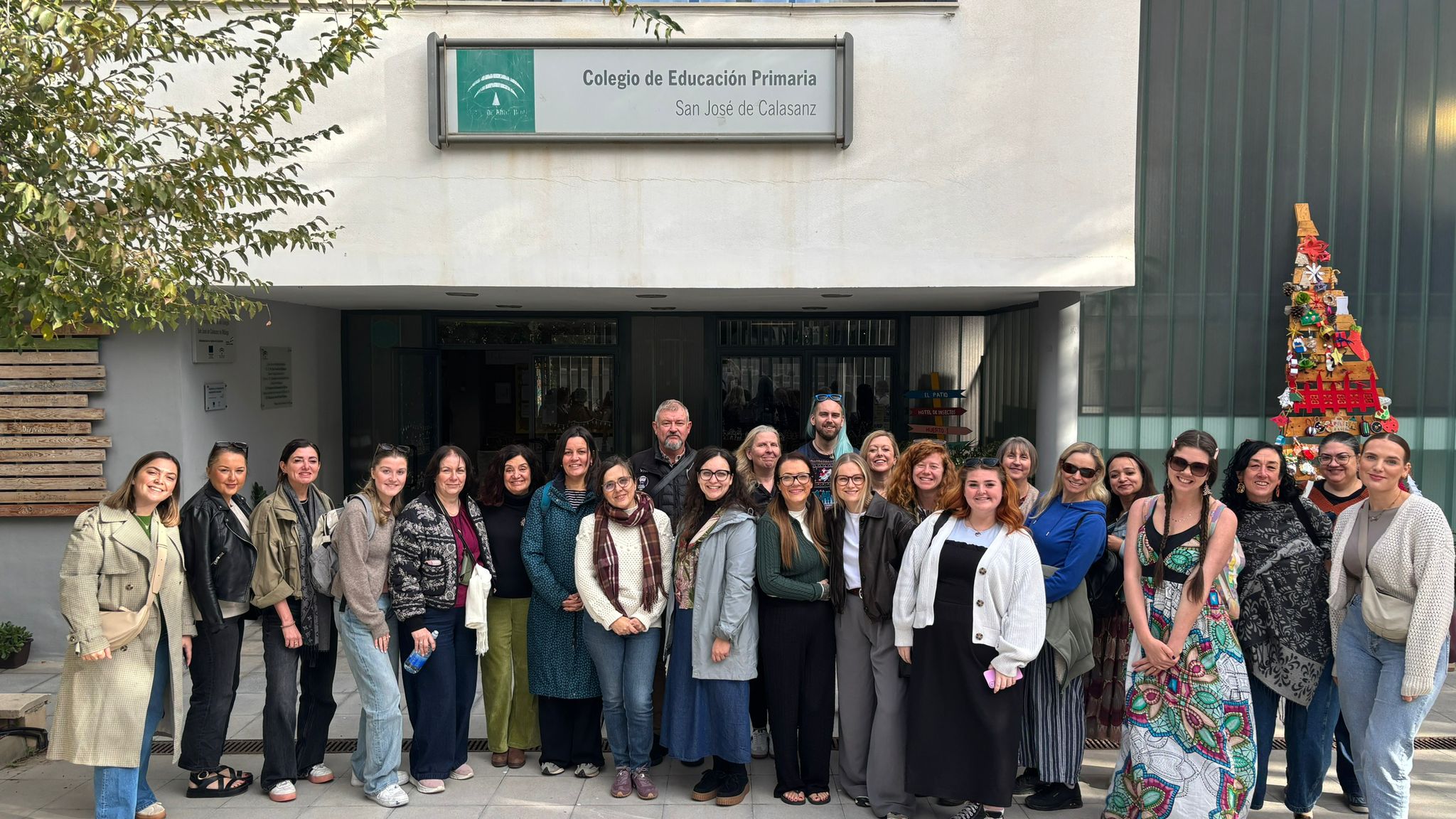
    As part of the programme, participants visited CEIP San José de Calasanz in Málaga, where time was shared with headteacher Carmen Ortiz, the teaching staff, and students. This experience offered a clear insight into how integrating wellbeing into school life can have a profound impact on relationships, motivation, and ways of learning.

    Beyond academic outcomes, it became evident that an education which truly cares for people creates more human, coherent, and sustainable learning environments.

    Wellbeing and regenerative education at the university

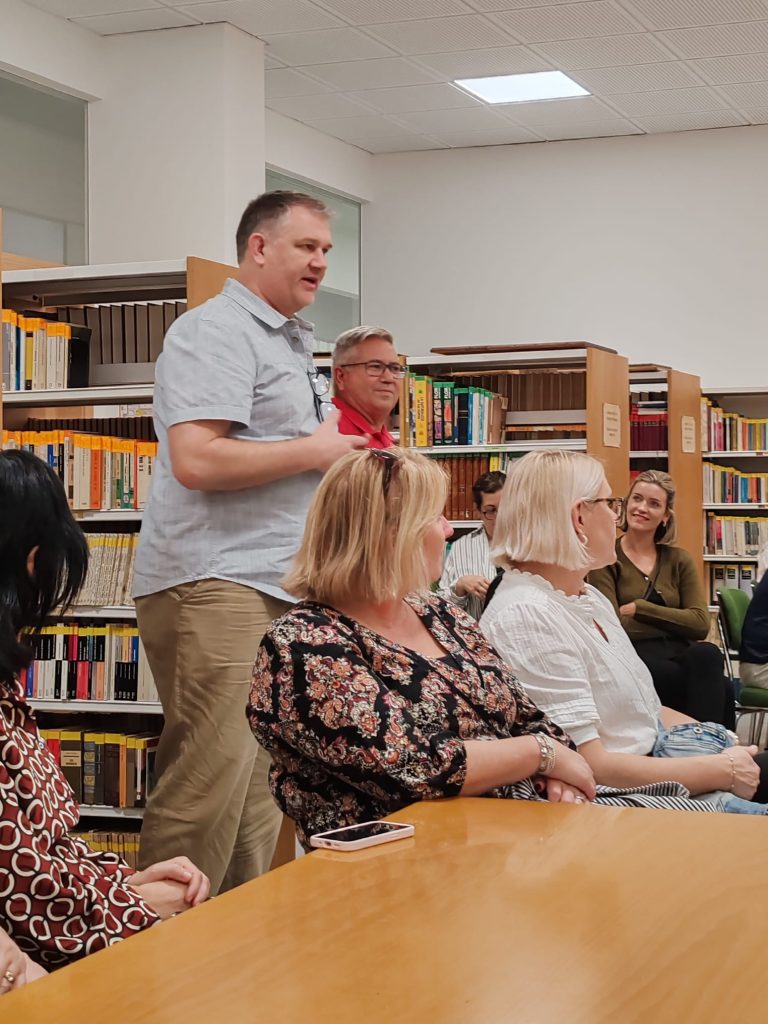
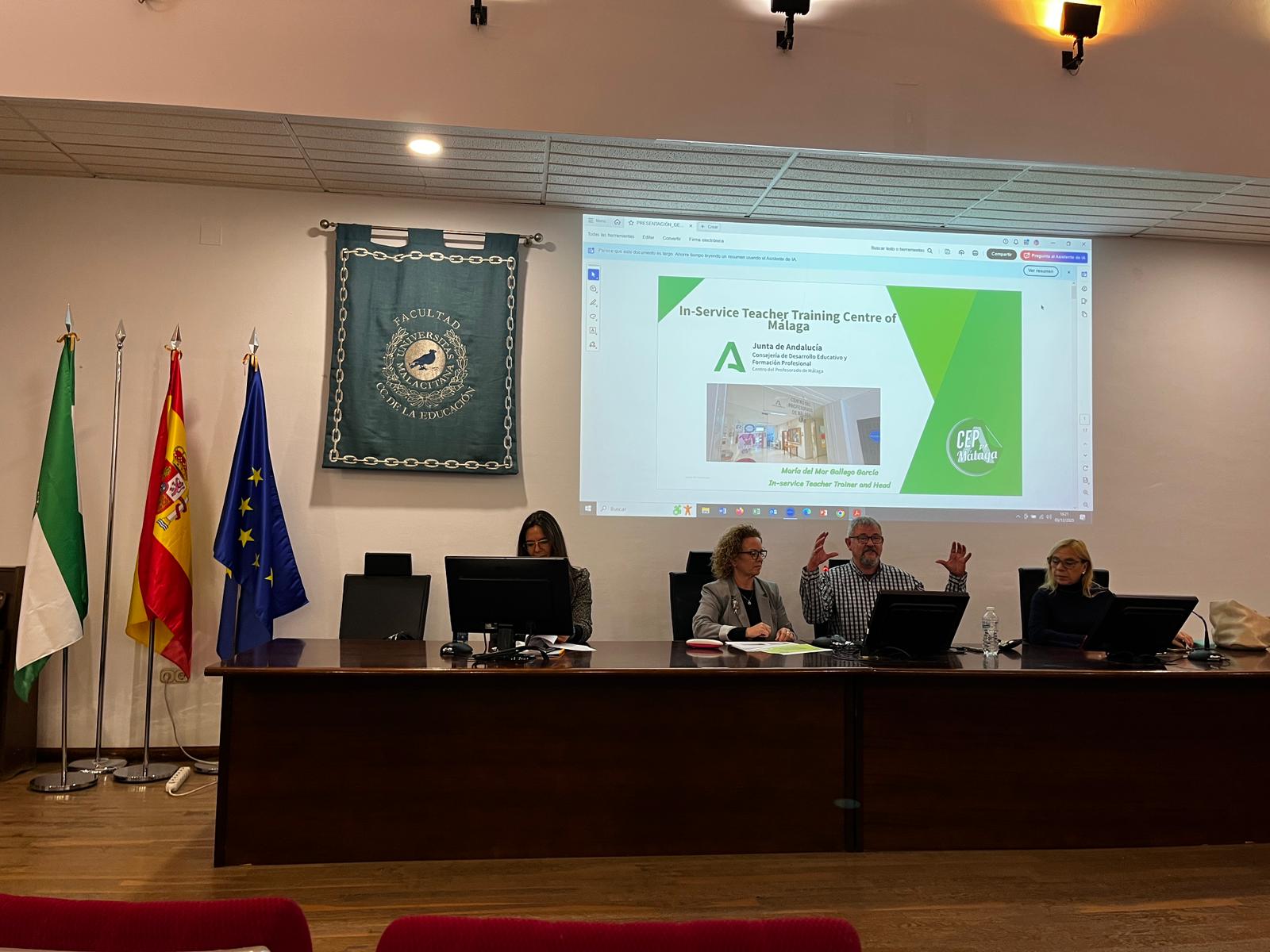
    The training week also included a conference at the Faculty of Education of the University of Málaga, hosted by Amparo Civila, Vice-Dean for Mobility and International Relations. This event brought together professionals from diverse educational contexts and encouraged international exchange and dialogue.

    Speakers included María del Mar Gallego, Director of the CEP of Málaga; Gemma Muñoz from CEIP Daidín in Benahavís; Kate Martin, Head of the Wellbeing Curriculum at Cardiff City Council; Rocío González, Lecturer in Education at the University of Málaga; and Lawrence Body, who shared Laurus Regenerative’s perspective on wellbeing, regeneration, and conscious education.

    Their contributions offered practical examples of how wellbeing can be integrated into real educational settings, while respecting the rhythms, needs, and realities of both teachers and students.

    Regenerative education: caring in order to transform

    This teacher wellbeing training experience highlighted a key insight: educational transformation begins in everyday practice. In how we relate to one another, in how we care for those who teach, and in how we create spaces where it is possible to pause, breathe, and reconnect with the purpose of education.

    At Laurus Regenerative, we believe that supporting teachers on this journey is a direct way to foster a more conscious, inclusive, and resilient education system—one that not only transmits knowledge, but also cares, inspires, and regenerates.

    If this approach resonates with you or with your educational institution, we would be delighted to continue sharing and co-creating future learning experiences together.

  • Formación sobre liderazgo regenerativo para centros educativos de Gales | Regeneratives Führungstraining für Schulen in Wales

    Formación sobre liderazgo regenerativo para centros educativos de Gales | Regeneratives Führungstraining für Schulen in Wales

    Formación sobre liderazgo regenerativo para centros educativos de Gales | Regenerative leadership training for schools in Wales

    La semana del 11-14 de noviembre en Málaga fue una experiencia de aprendizaje profesional excepcional para 29 directores y miembros de equipos directivos escolares de Gales, gracias a un programa de formación ofrecido por Accipe y financiado por Taith, en colaboración con ILG y el Ayuntamiento de Cardiff. Bajo la dirección experta de Lawrence Body, de Laurus Regenerative SRL, los participantes profundizaron en las últimas metodologías de atención plena y bienestar, tanto en teoría como en práctica, viviendo una experiencia de desarrollo profesional dinámico.

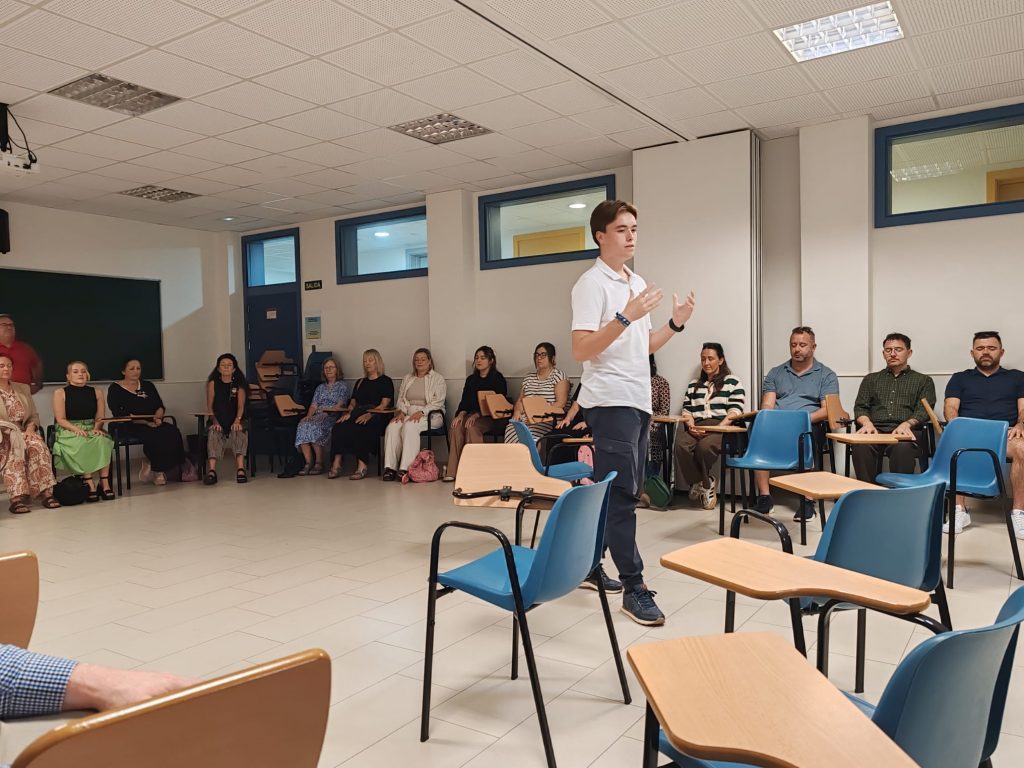
    Las visitas a los colegios y las actividades descritas anteriormente se desarrollaron dentro de este marco formativo. Hablar con la directora Cecilia Manrique y el profesor Eduardo Blesa  del Colegio de La Asunción, y  poder observar a los alumnos compartir su crecimiento a través de prácticas de mindfulness, guiar meditaciones y hablar con una madurez impresionante sobre los beneficios más allá de lo académico fue verdaderamente inspirador. 

    Despues del bienvendio calido del director  y el acompañamiento durante todo la visita de Mickael y el profesor de inglés Rory, la visita al Liceo Francés aportó otra dimensión de aprendizaje: los docentes exploraron espacios de aula innovadores, aprendieron cómo el translanguaging ocurre en el patio y recibieron información da la maestra Ana sobre cómo los modelos de aula flexible inspirados en Canadá pueden utilizarse para adaptarse a las necesidades del alumnado, y fomentar la colaboración y la empatía. 

    La semana también incluyó ponencias de expertos invitados, incluyendo la directora del CEP de Marbella Rosa Arcos de Torres, y la maestra y directora de estudios, Gemma Muñoz del CEIP Daidín que nos ofrecieron perspectivas prácticas sobre cómo integrar el mindfulness, la inteligencia emocional y el bienestar en contextos escolares reales, haciendo que la experiencia fuera motivadora y relevante para cada docente participante.

     ________________________

    The week of 11–14 November in Málaga was an exceptional professional learning experience for 29 headteachers and members of senior leadership teams from Wales, thanks to a training programme delivered by Accipe and funded by Taith, in collaboration with ILG and Cardiff City Council. Under the expert guidance of Lawrence Body from Laurus Regenerative SRL, participants deepened their understanding of the latest mindfulness and wellbeing methodologies, both in theory and practice, engaging in a dynamic professional development experience.

    The school visits and the activities described above took place within this training framework. Speaking with Headteacher Cecilia Manrique and teacher Eduardo Blesa from Colegio de La Asunción, and observing pupils share their personal growth through mindfulness practices, lead medit

    ations, and speak with remarkable maturity about benefits that go beyond the academic, was truly inspiring.

    Following the warm welcome from the headteacher and the ongoing support throughout the visit from Mickael and English teacher Rory, the visit to the Lycée Français offered another valuable learning dimension: teachers explored innovative classroom spaces, learned how translanguaging naturally occurs in the playground, and received insights from teacher Ana on how flexible classroom models inspired by Canada can be used to adapt to students’ needs and foster collaboration and empathy.

    The week also included presentations from guest experts, including Rosa Arcos de Torres, Director of the CEP of Marbella, and teacher and Head of Studies Gemma Muñoz from CEIP Daidín, who offered practical perspectives on how to integrate mindfulness, emotional intelligence, and wellbeing into real school contexts, making the experience motivating and relevant for every participating teacher.

  • Mindfulness in Education: An Integrative Project-Based Approach

    Mindfulness in Education: An Integrative Project-Based Approach

    Mindfulness in Education: An Integrative, Project-Based Approach

    This July, Laurus had the pleasure of being in Cork, Ireland, hosted by University College Cork (UCC) in collaboration with our partners Eurobjective https://www.eurobjective.com/

     Together, we delivered our ERASMUS+ course, «Mindfulness in Education: An Integrative, Project-Based Approach», designed specifically for secondary school teachers across Europe.

    A Holistic Learning Experience

    The course introduces participants to the foundations of mindfulness in an educational context. But it goes beyond the classroom: we explore how mindfulness can enrich students’ lives through connections with culture, history, local gastronomy, nature, and sport.

    Our approach encourages teachers to observe themselves in relation to these topics, fostering both personal well-being and creative professional growth. The goal? To return to their schools equipped not only with new skills, but with renewed energy and a fresh perspective.

    A Warm Welcome at UCC

    From day one, our hosts at UCC impressed us: https://www.ucc.ie/en/visitorservices/ The head of visitor services—an engaging storyteller—led us on a historical and cultural tour of the campus and its magnificent trees. A highlight of the visit was learning about UCC’s regenerative landscaping project, which includes wildflower zones, natural habitats for wildlife, and even an on-site resident beekeeper. This initiative has earned UCC international recognition, placing it 4th globally in environmental university rankings and in the top 10 for eight consecutive years.

    Cultural Immersion and Mindful Reflection

    We immersed ourselves in Cork’s rich cultural offerings, integrating music and art into our training. A visit to the Glucksman Gallery included a thought-provoking exhibition on well-being, where teachers were invited to engage in mindful reflection on selected works of art.

    Another day led us to the iconic English Market and its renowned Farmgate Restaurant, where we practiced sensory mindfulness while enjoying local, ecological produce—including the famous Stonewell Cider.

    The GROW Projects: Regenerating Classrooms

    Throughout the course, participants were guided to design their own GROW Project—a mindfulness-based initiative tailored to their school environments. These projects are intended to regenerate classroom dynamics, enhance student well-being, and foster a sense of joy, trust, and connection in learning spaces.

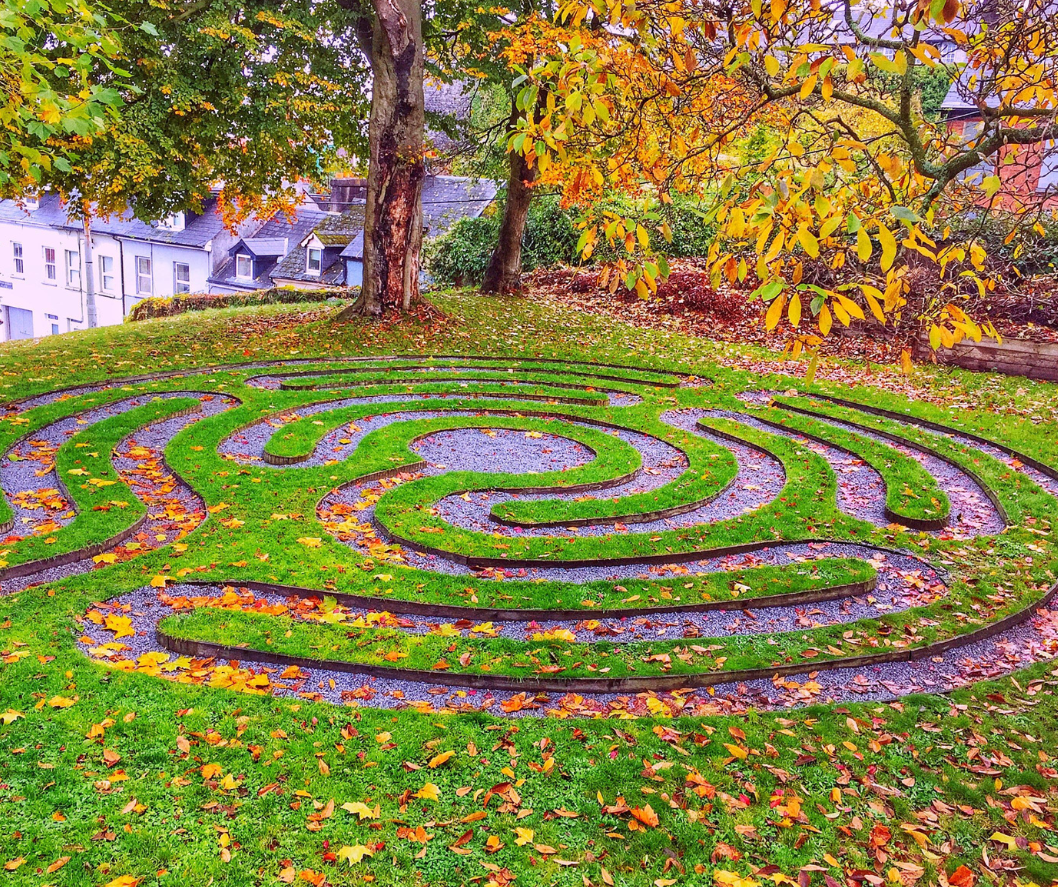
    To close the week, we walked the labyrinth at St. Fin Barre’s Cathedral, a contemplative journey symbolizing the integration of learning and inner transformation. Participants were invited to interiorize their insights and prepare to share them with their communities back home.

    Join Us in Ireland – Summer 2026

    Would you like to be part of this transformative experience in the summer of 2026? Explore our upcoming training opportunities in the ERASMUS+ section for teacher mobility and professional development.

  • La importancia de crear un espacio consciente

    La importancia de crear un espacio consciente

     The Importance of Creating a Mindful Space

    In June 2025, we were fortunate to host a group of Welsh school teachers here in Málaga, in collaboration with our partners ACCIPE: https://accipe.org/  and the Welsh mobility programme TAITH (similar to Erasmus+).

    Málaga is a city that naturally invites mindful reflection. It delights the senses and fosters a sense of well-being, making it an ideal setting for our work together. The teachers stayed at El Seminario (La Casa Diocesana), a beautiful historic building that now hosts training groups focused on spirituality, therapy, or social development. It’s a space perfectly suited to mindfulness courses—one that invites guests to relax, disconnect, and reflect on both personal and professional contexts.

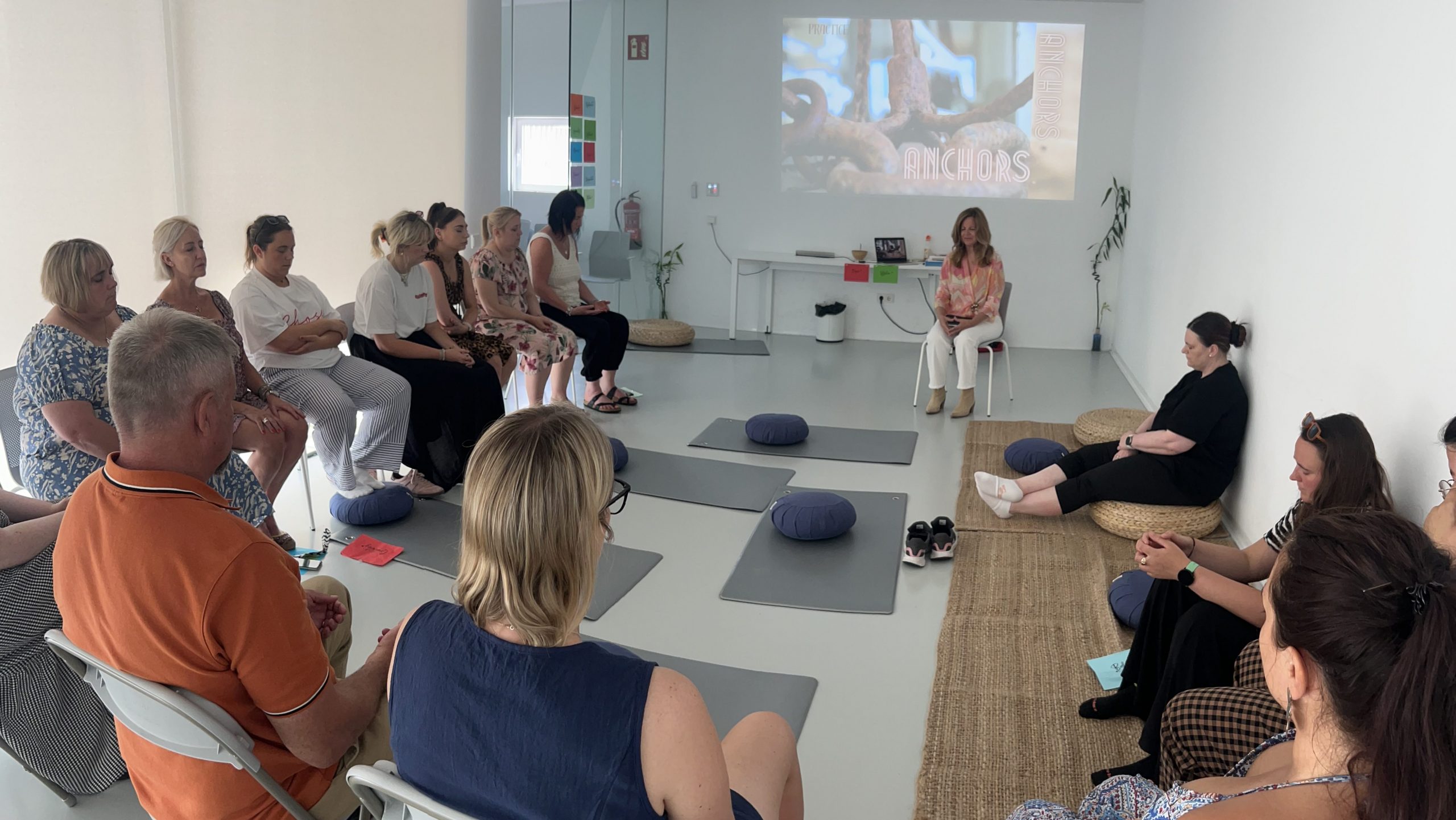
    Throughout the week, we combined daily mindfulness meditation practice with Social and Emotional Learning (SEL) applied to the teachers’ educational realities. The aim was to promote regeneration by engaging participants’ critical thinking and creativity, all grounded in active listening, empathy, and compassion.

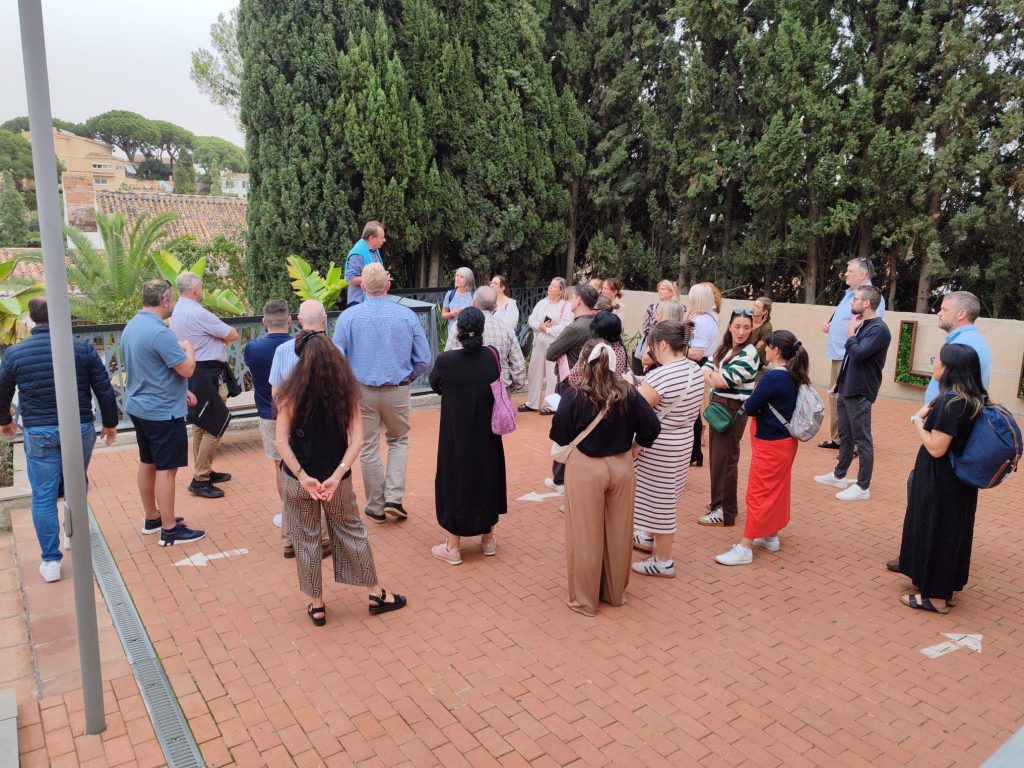
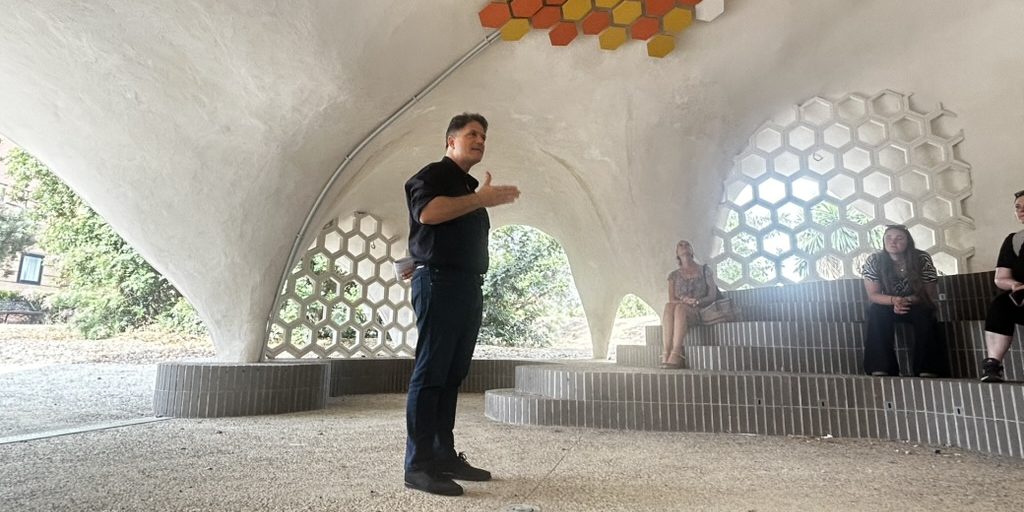
    We also spent a day at the University of Málaga (UMA), where we explored further the importance of creating mindful spaces. Our first visit was to the Faculty of Education, where Dr Juan G, a renowned local architect, explained the design of a sustainable outdoor classroom affectionately known as “The Mushroom.” This space encourages meditation and small group collaboration in an open-air environment far removed from traditional classrooms.

    Dra Luisa M also spoke about how mindfulness is being integrated into teacher training programmes at UMA, as well as other university faculties—showing highly positive results in both student and staff well-being.

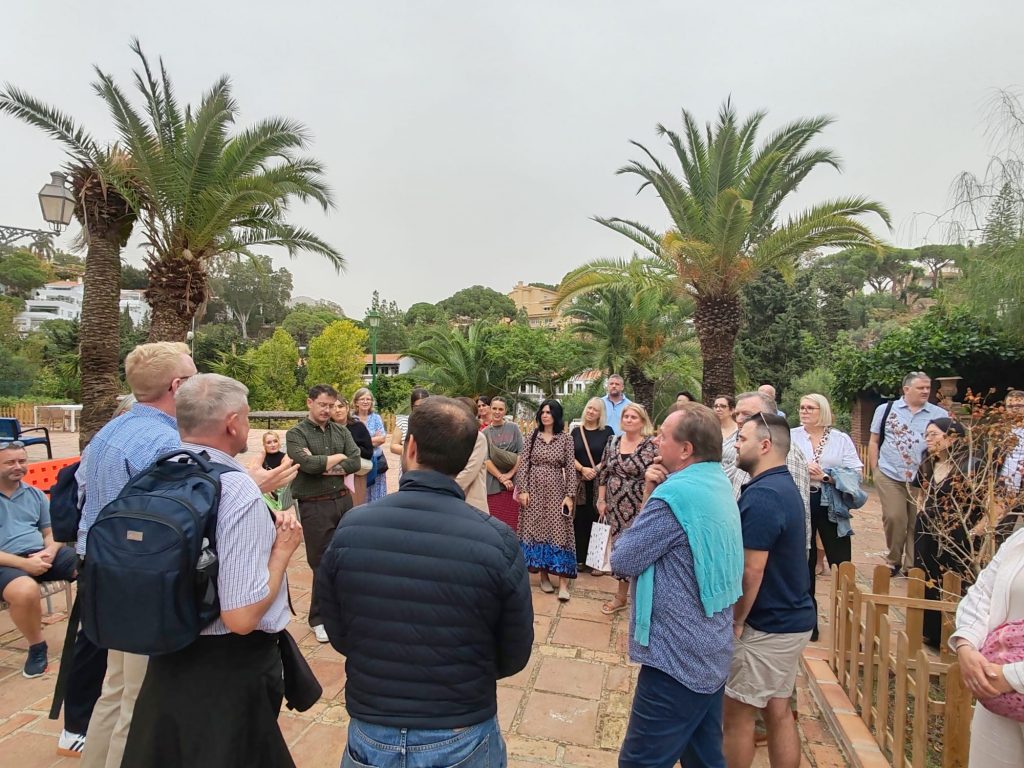
    Our visit continued to the Botanical Garden, where we were welcomed by biologist Dra Rosa P and our colleague at Laurus, Nathalie Borges. Together, we’ve used this space for activities during a mindful summer camp for children. The garden offers an ideal setting for all kinds of mindfulness practices—from quiet reflection and observation to active learning about nature and regeneration.

    We concluded our university visit at the Faculty of Psychology, where we toured a dedicated meditation room—an intentionally designed space for mindfulness practice by our host Dra Myriam D. Having a room like this in your school or faculty can be a powerful tool for introducing mindfulness and fostering a culture of well-being within the educational community. We also received a practical class from our colleague Teresa Roura.

    The purpose of this blog is to invite you to reflect on the importance of physical space in nurturing well-being, regeneration, and effective learning.

    If you’d like to know more about how we can help you create or transform such a space, please don’t hesitate to get in touch.